

Quick Action: Try a warm cup of ginger tea if you're battling a cold. It may help ease a cough, soothe a sore throat, and settle an upset stomach.
Herbal Help: Many people turn to herbs like ginger, lemongrass, and green tea when they’re under the weather. These natural ingredients work with your body’s own healing process to help you feel better.
Why It Works: Ginger tea has been a trusted remedy for generations. It supports your immune system and helps ease common cold symptoms naturally.
What to Do Now:
- Brew a cup of ginger tea.
- Sit back and sip slowly.
- Rest while you let nature do its work.
Remember, natural remedies like ginger tea can be a helpful part of your cold care routine, especially when you need a gentle option. (Clinician-reviewed, last reviewed: October 2023)
Herbal Cold Remedies: Feel Naturally Invigorated
Herbal cold remedies use parts of plants to ease common cold symptoms like cough, sore throat, and upset stomach. You might find these remedies in teas, tinctures, or infusions made with herbs such as ginger, lemongrass, green tea, and ginseng. For instance, a warm cup of ginger tea, made by steeping fresh ginger in hot water, can help ease your discomfort.
These natural treatments work by using compounds like antioxidants, flavonoids, and natural anti-inflammatory agents (substances that reduce irritation and swelling). They support your immune system and work with your body’s natural healing process. Many cultures, including Vietnamese households, have trusted these remedies for generations.
Herbal remedies generally fall into a few key groups:
- Immune boosters: Herbs like green tea and ginseng help support white blood cells.
- Anti-inflammatories: Ginger and lemongrass calm irritation.
- Decongestants: These help clear your nasal passages.
- Cough soothers: They relieve throat discomfort.
Pairing these remedies with a balanced diet and plenty of rest can help you feel naturally invigorated and support your recovery.
Immune-Boosting Herbal Cold Remedies in Focus
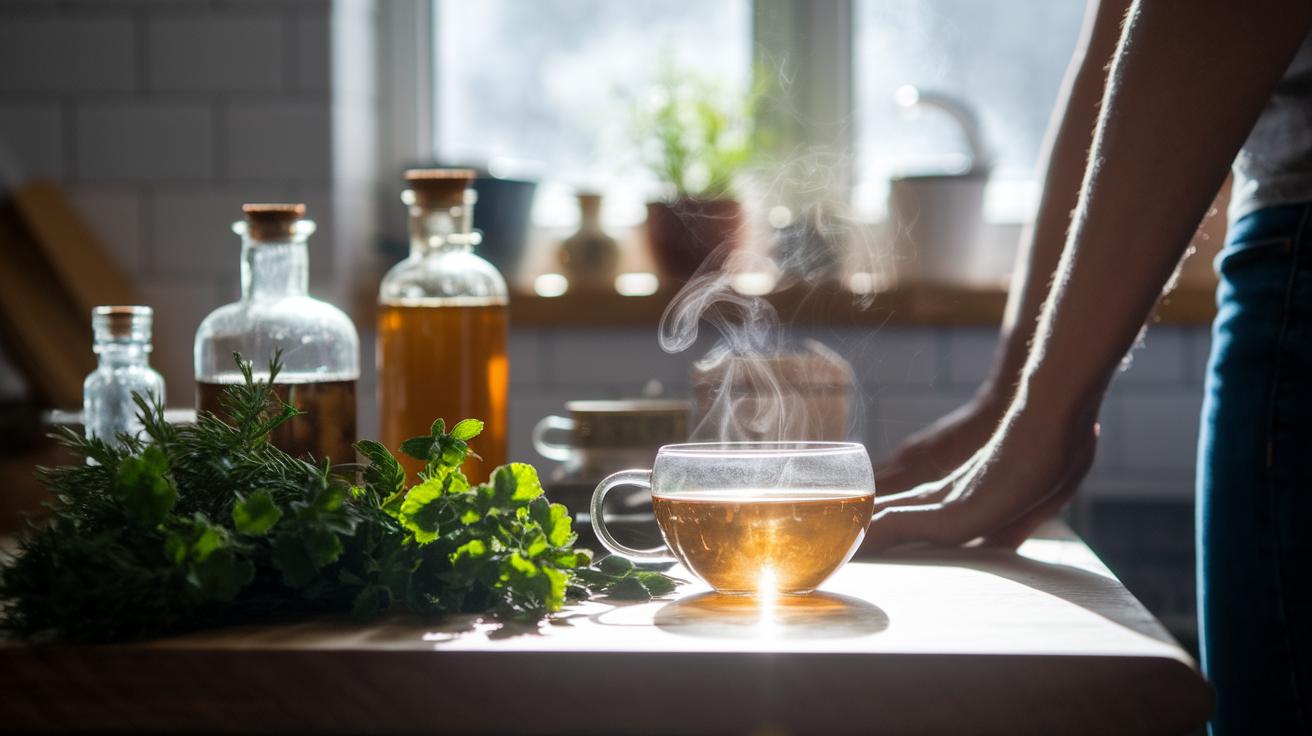
When you have a cold, these herbs can help give your immune system a lift. They work by encouraging your body to make extra cells that fight infections. People have used these remedies for generations, and many still trust them today.
Echinacea
Try it as a tincture or tea. A common dose is 300–500 mg of extract three times a day. It helps boost your white blood cells so your body can fight viruses.
Elderberry
This is best taken as a syrup made from the fruit. A usual dose is 1 tablespoon three times a day. Its natural flavonoids can help cut down the severity of cold symptoms.
Astragalus
Make a decoction by simmering 3–6 g of the root two times a day. This herb is known to help your body manage stress and keep your immune system strong.
Ginseng
Stir 2 g of ginseng powder into a warm drink each day. Research suggests it may help ease coughs and support your overall defense when you’re under the weather.
| Herb | Typical Dosage | Key Action | Precautions |
|---|---|---|---|
| Echinacea | 300–500 mg three times daily | Boosts white blood cell activity | Consult if you have immune concerns |
| Elderberry | 1 Tbsp syrup three times daily | Provides natural antiviral support | Be mindful of sugar content |
| Astragalus | 3–6 g root twice daily | Helps manage stress on the immune system | May interact with some medications |
| Ginseng | 2 g powder daily | Supports cough relief and immune function | Avoid if you have high blood pressure |
Anti-Inflammatory and Decongestant Herbal Cold Remedies
A warm tea made from ginger and turmeric can help ease cold symptoms. These herbs work by warming the body and calming inflammation. When you mix them with green tea, you also get a mild antiviral boost that can soothe body aches and a sore throat. This drink may reduce inflammation and help ease congestion. Keep an eye on how you feel, as research on these herbs is still growing.
Peppermint and eucalyptus oils are great for clearing a blocked nose. Add a few drops to hot water and breathe in the steam. This simple method can help open your sinuses and give you quick relief when you feel very congested.
Gentle Plant Cold Cough Soothers and Throat Tonics

If your throat feels raw, try a warm tea made from marshmallow root or slippery elm. These herbs release a slimy substance that coats your throat, easing the scratchy feeling that often triggers a cough.
Licorice root also works well. It creates a soothing film over the throat to help lessen irritation. Thyme, with its gentle spasm-relieving effect, may help calm your cough. Many people have used these herbs safely to ease throat discomfort.
You can mix these herbs into a tea or syrup for more relief. One simple method is to steep licorice root and thyme in boiling water. Then stir in a bit of honey for extra calm.
If you have high blood pressure or hormone-sensitive issues, be careful with licorice. Check with your healthcare provider before trying new herbal recipes if you have any concerns.
Herbal Cold Remedy Recipes: Teas, Syrups, and Steam Inhalations
If you're feeling under the weather, try these simple remedies made right in your kitchen. Start your day with a warm cup of ginger and lemongrass tea. It warms you up, eases body aches, and helps clear congestion.
For a daytime boost, take some elderberry syrup. Its sweet and slightly tart taste may help lessen your symptoms when you use it regularly.
Before bed, use a eucalyptus steam inhalation. This quick treatment can help open your airways and clear any remaining congestion so you can rest easier.
| Recipe | Ingredients | Prep Time | Key Benefit |
|---|---|---|---|
| Ginger-Lemongrass Tea | Fresh ginger, lemongrass, water | 10-15 minutes | Warms and soothes aches while easing congestion |
| Elderberry Syrup | Elderberries, water, optional honey | 20-30 minutes | Mild antiviral effects to help lessen cold symptoms |
| Eucalyptus Steam Inhalation | Eucalyptus oil, hot water, towel | 5-10 minutes | Opens nasal passages and reduces congestion |
Keep these homemade remedies in clean, airtight containers. They should last about one week when kept in the refrigerator.
Safety, Dosage, and Precautions for Herbal Cold Remedies
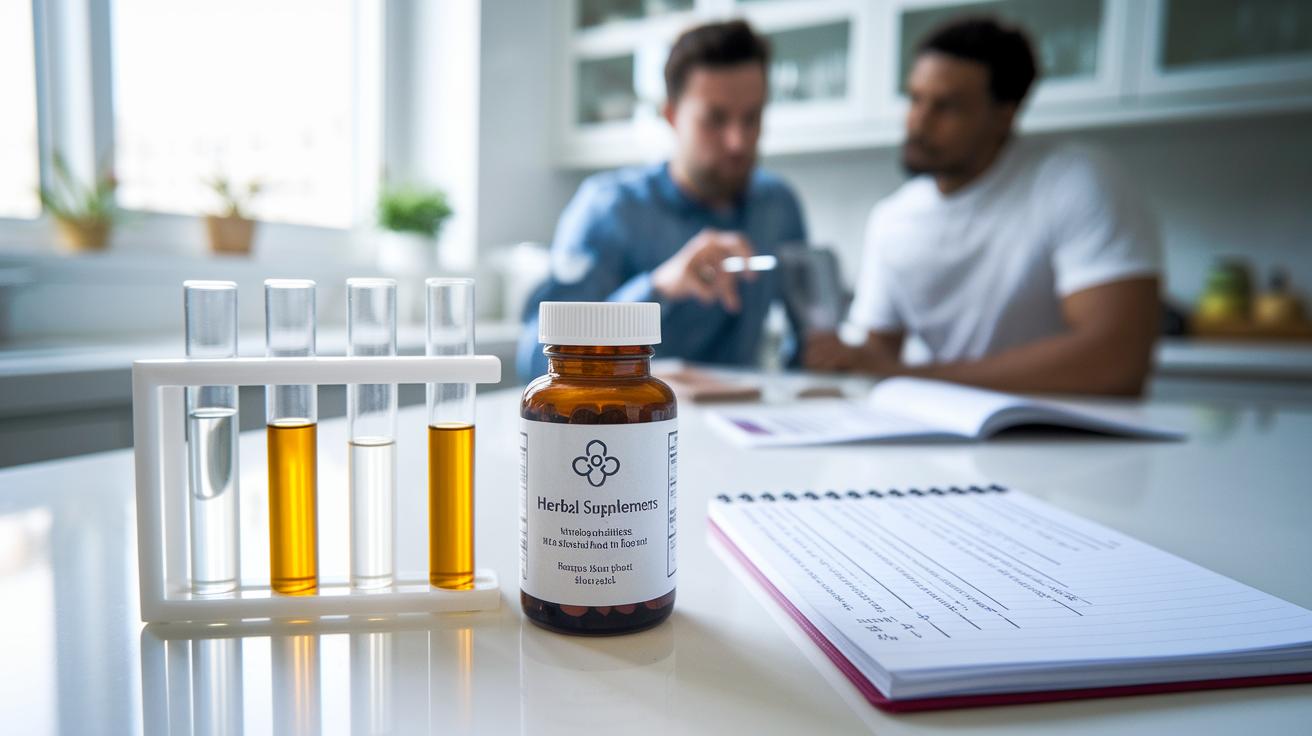
When you choose herbal supplements, stick with trusted brands. Look for makers that use third-party lab tests to check the strength and purity of their ingredients. Clear lab results on the label can help you feel confident that you’re using a safe natural remedy.
Start with a small dose when you try a new herbal remedy. This gives you time to see how your body reacts. Watch for side effects such as stomach upset, dizziness, or headaches. If you notice any of these, cut back or stop using the remedy. A cautious approach keeps risks low.
If you are pregnant, have a chronic health condition, or are considering herbal remedies for children, talk to your doctor first. They can give you advice on the right dose and make sure the remedy works safely with your other treatments.
Clinician-reviewed • Last reviewed: October 2023
Research Insights on Herbal Cold Remedies
Large studies on herbal cold remedies are rare. Most research comes from small trials and observations that give us an early look at potential benefits. The evidence is moderate, meaning there is some support, but nothing conclusive yet. More careful, large-scale trials are needed to truly understand how these remedies work.
For example, some trials suggest that echinacea may cut cold duration by 10–20 percent. Elderberry studies show it could reduce cold severity by about 25 percent. Research on ginseng is not as strong, with only modest cough relief noted so far. These findings hint at benefits, though they come from smaller studies and should be viewed with caution.
It is important to blend research findings with professional advice and your own symptom tracking. While early studies are promising, talk with your healthcare provider before starting any herbal remedies to ensure they are safe and suitable for you.
Clinician-reviewed. Last reviewed: October 2023.
Final Words
In the action, herbal cold remedies guide your next steps with natural approaches to ease symptoms.
They cover immune boosting, inflammation relief, and soothing cough discomfort while offering practical recipes and safety tips.
Each section highlighted the importance of choosing quality sources and understanding limited research.
These insights can help you feel confident and prepared to manage your symptoms.
Stay informed, practice safe use, and remember that herbal cold remedies can be a supportive part of your overall care plan.
FAQ
How to cure a cold fast overnight and what is the fastest natural cure for a cold?
The fastest natural cure for a cold emphasizes rest, hydration, and warm herbal teas like ginger or green tea. These methods help ease symptoms quickly, though complete recovery typically takes longer.
What are natural cold remedies for adults?
The natural cold remedies for adults involve using herbal infusions, aromatherapy with decongestant oils, and immune-support botanicals. These approaches help ease cold symptoms and support the body’s defense.
How to cure a cold in one day?
The idea of curing a cold in one day is largely a myth. The remedies focus on symptom relief, using herbs and warm drinks, while proper rest and fluids remain essential for recovery.
What is a homemade cold remedy drink?
The homemade cold remedy drink uses ingredients like ginger, lemongrass, and green tea. These components work together to soothe throat discomfort and help clear congestion naturally.
How to cure cold and cough in one day and what is the best medicine for cold and cough?
The approach for cold and cough relief involves using soothing herbal teas and syrups that reduce inflammation and ease throat discomfort. These natural remedies provide symptom support while complementing rest and hydration.
What home remedies work for cold and sneezing and old-fashioned flu remedies?
The home remedies for cold and sneezing include using anti-inflammatory herbs like turmeric and ginger alongside aromatic decongestants such as eucalyptus to clear nasal passages and ease flu symptoms.
What herb is best for colds?
The herb often seen as best for colds is ginger, which acts by reducing inflammation and easing congestion. Other herbs like echinacea and elderberry also support immune function and symptom relief.
What is grandma’s cure for a cold?
The classic grandma’s cure for a cold usually features warm broth, honey, and herbal teas like ginger or turmeric. These remedies are traditional comfort treatments that help soothe and ease symptoms.
How to treat a common cold in kids?
The treatment for colds in kids focuses on mild herbal teas in age-appropriate doses, plenty of fluids, and rest. Always consult a healthcare provider to ensure safety and proper symptom management.