
Quick Action:
If your chronic condition feels overwhelming, you’re not alone. Start by breaking your challenges into small, manageable steps.
Support & Tools:
Many people join self-management programs that offer clear, daily strategies. These hands-on workshops give you practical tools and allow you to connect with others who truly understand your journey.
Build Confidence:
Using realistic goal-setting and actionable tips, you can turn daily struggles into steps toward better health. Begin with one small goal, and soon you’ll see that managing your condition can boost your confidence and wellbeing.
Overview of Chronic Disease Self-Management Programs
These programs are hands-on workshops that help you manage chronic illnesses. Developed at Stanford, they show you how to take charge of conditions like high blood pressure, arthritis, heart disease, stroke, lung problems, diabetes, and chronic pain.
In these classes, you learn to set simple, realistic goals, like starting with a 10-minute walk and adding a little more time each week. Two trained peer leaders, who often have lived experiences with these conditions, guide you through every step.
You also get clear tips on managing your medications and eating healthier, using guidance similar to USDA MyPlate. These sessions help boost your confidence in tracking symptoms and talking with your health care team.
Whether in person, online, or in Spanish, there is a program to meet your needs so you can feel more in control of your health.
chronic disease self-management programs: Thriving Health
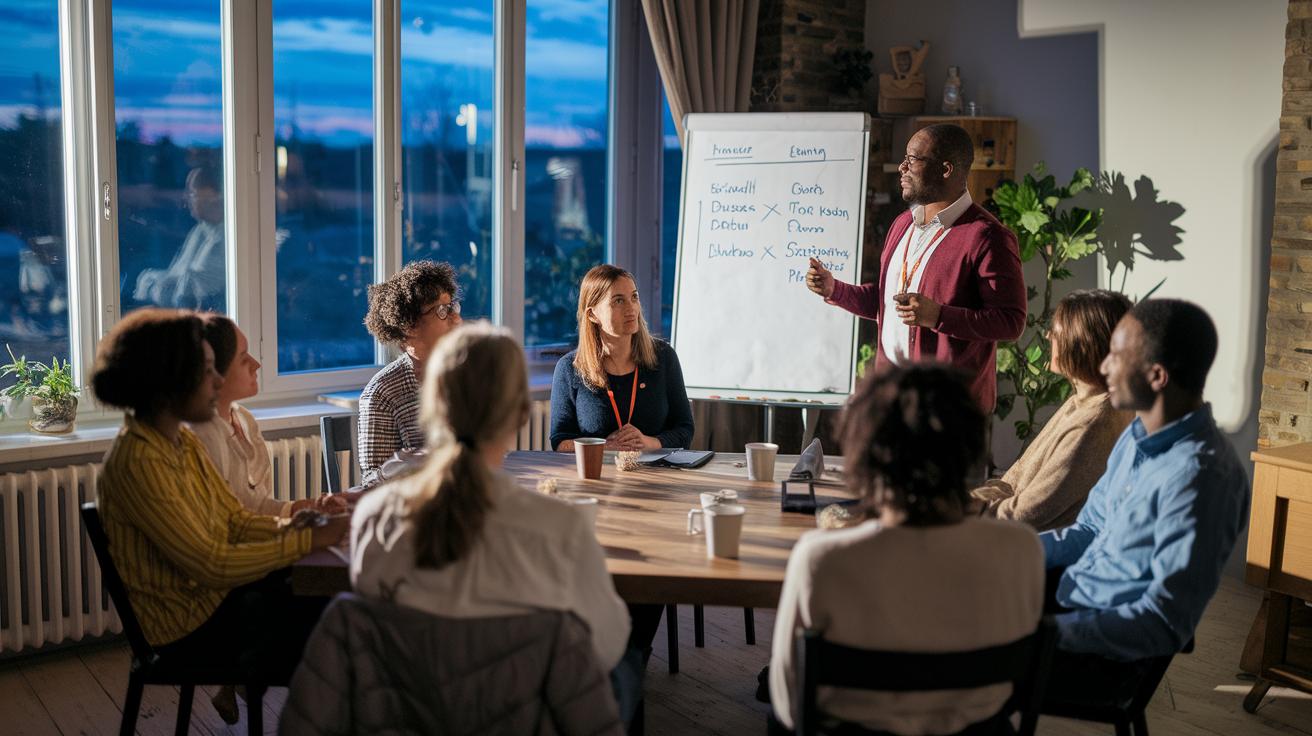
These workshops give you practical tools to manage your chronic condition day by day. You join a small group that meets once a week for six weeks. Each session lasts about 2½ hours.
Trained facilitators help you make clear, achievable goals. They lead group problem-solving activities. For example, you might start with a simple plan like adding a short walk after dinner.
The sessions guide you through making choices about medications and treatments. You also learn easy meal planning using tips from USDA MyPlate. The action plans break everyday challenges into small, manageable steps. You’ll learn how to spot a spike in pain and how to share your progress clearly with your health care provider.
Peer support is a key part of these workshops. Sharing your experiences in a safe setting helps you feel understood and empowered to change your habits. Every session gives you hands-on practice with self-care and behavior change techniques that you can use right away.
chronic disease self-management programs: Thriving Health
These programs help you take charge of your long-term health in a clear, step-by-step way. Over six weeks, you join 2½-hour group sessions that follow the trusted Stanford self-management model.
A trained facilitator who has faced similar challenges will guide you through setting personal goals, managing symptoms, and building a network of supportive peers.
Different versions of the program are available to meet your specific needs:
- Chronic Pain Program: Designed to ease pain and lower anxiety.
- Diabetes Program: Offers hands-on tips for monitoring blood sugar and planning meals.
- Better Choices, Better Health: Provides an online workshop that mirrors the in-person experience.
- Tomando Control de su Salud: Gives culturally sensitive guidance in Spanish.
- Positive Self-Management for HIV: Includes an extra session to help boost confidence.
| Program Name | Target Condition | Format & Duration |
|---|---|---|
| CDSMP | General chronic conditions | In-person; 2½ hr/week × 6 weeks |
| CPSMP | Chronic pain | In-person; 2½ hr/week × 6 weeks |
| Diabetes Self-Management | Type 1 & 2 diabetes | In-person; 2½ hr/week × 6 weeks |
| Better Choices, Better Health | General chronic conditions | Online; 2½ hr/week × 6 weeks |
| Tomando Control de su Salud | General chronic conditions (Spanish) | In-person; 2½ hr/week × 6 weeks |
| Positive Self-Management Program | HIV | In-person; 2½ hr/week × 7 weeks |
Evidence and Outcomes of Chronic Disease Self-Management Programs

TL;DR: These programs help you feel more in control of your health. They boost your skills in spotting symptom changes, ease pain and worry, and can even lower the need for hospital visits.
What the research shows:
• People learn hands-on ways to track symptoms early.
• Simple self-care steps help reduce pain and anxiety.
• Participants report better communication with their doctors.
How it works:
Experts reviewed studies that show these programs build confidence in managing chronic illness. By learning to monitor symptoms on your own, you can catch changes early and act before small issues get worse. This careful self-monitoring leads to fewer unexpected health crises.
Fewer Hospital Visits:
Many studies also note a drop in hospital visits and overall medical costs. By teaching practical daily skills, these programs help you avoid letting minor problems grow. This means you may rely less on emergency care when you know what to watch for.
Online Programs are Just as Good:
Online formats like Better Choices, Better Health show similar gains in reducing discomfort and boosting daily activity. This means you can get the benefits whether you join sessions in person or from home.
Everyday Impact:
Overall, these programs improve your quality of life. They build confidence and empower you to make meaningful changes that support long-term health.
Clinician-reviewed • Last reviewed: October 2023
Accessing Chronic Disease Self-Management Programs
If you're managing a chronic condition and need practical help, start by checking local community centers, hospitals, aging agencies, or faith-based groups. These places often run workshops and programs that guide you in managing your condition. Look for flyers on community boards at your church or community center for details.
You can also look for self-care options online. The Stanford CDSMP Resource Center has a program directory that lists virtual sessions. These online sessions let you learn from home. Plus, there are telephone coaching options like EnhanceWellness and mailed toolkits, which help if you have trouble with mobility or internet access.
Most programs are for adults with a diagnosed chronic condition. Many are free or low-cost, and some offer Spanish-language versions so language isn’t a barrier.
Finally, check if there are remote patient monitoring programs to help you track your symptoms at home. Whether you choose in-person workshops or online sessions, these programs can help you stay in control of your health.
Support Resources for Chronic Disease Self-Management

Resource kits offer clear, practical steps to boost your self-care skills. They include easy-to-follow manuals, quick-start guides, checklists, and workbooks that tell you exactly what to do. These materials help you set a plan, track your progress, and feel confident in making healthy choices.
Community health workers and trained coaches often check in with you by phone or through home visits. They answer your questions and remind you of key points from group sessions. Their goal is to give you personalized advice that sticks.
Peer support groups, including online forums and local meetups (what is a patient community), connect you with others who face similar challenges. This shared support can make it easier to follow your self-management plan.
Family and friends are important too. Caregiver training courses build skills for handling stress and communicating better. Learn more at caregiver support resources if you help a loved one.
Using these resources can boost your confidence in managing your condition and connect you to a supportive community.
Final Words
In the action, we broke down what these programs offer, from clear overviews to hands-on activities and tailored variations. We reviewed how group sessions, online workshops, and useful toolkits boost self-care. We also noted evidence that shows improvements in symptom control and quality of life.
Each section builds a step-by-step approach to managing chronic conditions. Your path to better health starts with a strong support system and engaging chronic disease self-management programs. Stay positive and take action now.
FAQ
What is the Stanford Chronic Disease Self-Management Program?
The Stanford program helps adults manage conditions like hypertension and diabetes through peer-led workshops that teach symptom control, effective communication with providers, and practical self-care strategies over six weeks.
What is involved in Chronic Disease Self-Management Program Leader training?
Leader training teaches peers how to guide group discussions, set achievable goals, and support participants in managing their chronic conditions using structured, hands-on techniques.
What are some examples of chronic disease management programs?
Examples include the CDSMP for general conditions, CPSMP for chronic pain, and the Diabetes Self-Management Program. Online programs like Better Choices, Better Health also offer flexible self-management education.
How can I find a Chronic Disease Self-Management Program near me?
To locate a nearby program, check with local hospitals, community centers, aging services, or use the Stanford CDSMP Resource Center online, as many programs are free or low cost for eligible adults.
What does the Chronic Disease Self-Management Program CDC refer to?
This term refers to evidence-based programs promoted by the CDC that teach self-care strategies, improve symptom management, and reduce unnecessary hospital visits for adults with chronic conditions.
What do scholarly articles say about chronic disease self-management programs?
Scholarly articles report that these programs boost self-efficacy, reduce pain and anxiety, and lower overall healthcare expenses by teaching practical self-care and symptom management skills.
What community resources support chronic disease management?
Community resources include local support groups, health workshops, and online forums that offer shared experiences, access to materials like workbooks, and guidance from trained facilitators.
What is chronic disease management certification?
Certification recognizes the skills gained through training programs in self-management education, preparing professionals to lead effective chronic disease self-care sessions for diverse populations.