

Quick Action
Use these 7 simple tips to spot serious signs fast. They help you decide who needs help right away so you can deliver care faster and safer.
Red Flags
• Patient looks obviously unwell
• Trouble breathing or extreme discomfort
• Unusual color or swelling
• Other signs that require immediate checks
What It Is
Triage is a quick way to sort patients by urgency. A fast visual check and listening to your gut can turn a simple look into a life-saving call.
7 Steps to Better Triage
- Do a quick visual check of the patient.
- Trust your instincts when something seems off.
- Watch for signs of distress like labored breathing.
- Check for unusual skin color or swelling.
- Ask a few simple questions to gauge how they feel.
- Use basic tools if you have them to check vital signs (like heart rate).
- Quickly decide who needs help now.
These clear steps let you act fast and give care to those in urgent need.
Clinician Reviewed | Last Reviewed: October 2023
7 patient triage assessment tips for effective care
-
Begin with a quick visual check. As patients come in, take a moment to note their overall look and how they move. If someone appears pale, has labored breathing, or seems off, they might need extra help now.
-
Listen carefully to what each patient says. Pay close attention to their concerns. This simple step can reveal important clues about their condition that you might not see at first glance.
-
Check vital signs right away. Record the pulse, blood pressure, breathing rate, oxygen level (SpO₂), and temperature. These numbers give you a fast way to spot serious issues.
-
Use established decision tools. Rely on standard protocols and computer systems to guide your judgment. This keeps things consistent and reduces guesswork.
-
Apply a structured scoring system like the Canadian Triage and Acuity Scale. This tool ranks patients from 1 (needing immediate help) to 5 (non-urgent), ensuring that each case gets the right priority.
-
Order initial tests quickly when needed. Tests such as an ECG, blood work, or X-rays can help confirm what you suspect from the physical exam and speed up care decisions.
-
Trust your instincts for early intervention. If a patient shows signs of being critically ill, move them directly to a treatment bed. This fast action can make all the difference in emergency care.
Utilizing Acuity Measurement Scales in Patient Triage Assessment
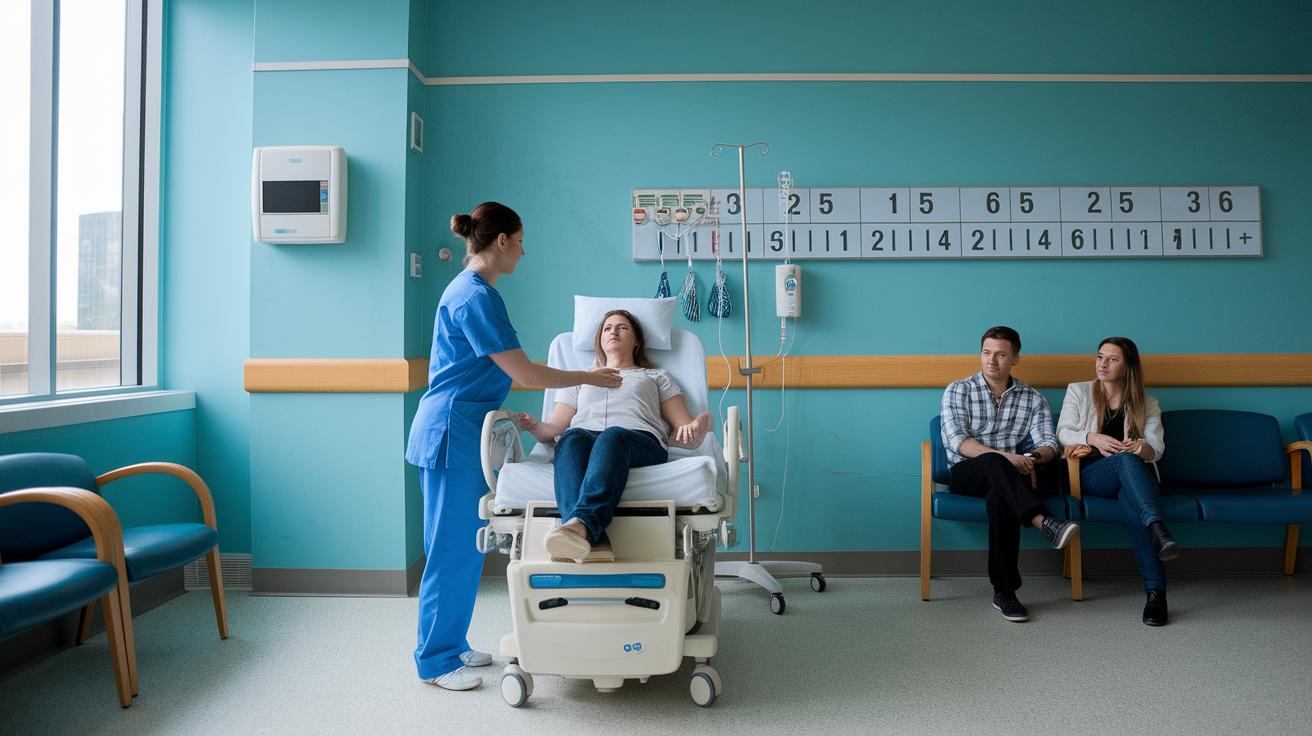
When patients arrive, nurses use scales like CTAS, ESI, and MTS to quickly decide how urgent their situation is. These scales use numbers from 1 to 5, a score of 1 means immediate resuscitation, while 5 means the condition is not urgent.
For example, if you have trouble breathing or low oxygen levels, you might be scored a 2 so the team can act fast.
Nurses follow a clear plan. They look at what they see along with your history to set a score. One nurse explained, "When I hear a patient struggle to speak and see changes in skin color, I check for a higher urgency score." This method makes sure that every person gets the right treatment no matter when they come in.
Using one standard score speeds up decisions and boosts safety. Digital tools also help by flagging high-risk cases so urgent care is provided quickly.
Clinician-reviewed. Last reviewed: October 2023.
Rapid Assessment Strategy and Vital Signs Check Standards in Patient Triage Assessment
Quick action: In just 60 to 90 seconds, nurses perform a speedy check by scanning the room for any signs of distress. They look for things like a pale face or struggle to breathe.
Red flags:
- Labored or strained breathing
- Sudden change in skin color (pallor)
- Fast heart rate paired with low blood pressure
Next steps: Nurses ask a few focused questions and quickly check vital signs, including heart rate, blood pressure, breathing rate, oxygen levels (SpO₂), and temperature. For example, a fast heart rate with low blood pressure may suggest shock and needs immediate attention.
Digital support: New digital triage tools, like AI-powered systems, are now used to help pick out urgent cases. One hospital even reduced wait times by 15% after introducing these tools. When a patient shows clear signs like labored breathing and low oxygen, nurses quickly use digital tools to confirm how urgent the situation is.
Standardized care: These systems pull together all the information into a clear score. This helps the team quickly identify and prioritize patients who need help fast.
Nurse Decision Framework and Risk Stratification Criteria for Patient Triage Assessment

Nurses follow clear guidelines to decide quickly how urgent a patient's care needs are. They use tools like the Emergency Severity Index to look at the main complaint, patient history, and vital signs. One nurse shared, "When I see a patient with breathing problems and a history of heart disease, I move them straight to treatment."
This method adds details like vital signs, symptom specifics, and past conditions. It goes beyond a basic checklist. Red flags like signs of shock or trouble breathing mean immediate care is needed.
Key points to note:
- Main complaint and current vital signs
- History of chronic conditions or previous illnesses
- Specific responses to trauma or injury
| Factor | Example |
|---|---|
| Main Complaint | Chest pain, trouble breathing |
| History | Heart disease, diabetes |
| Trauma Indicator | Recent injury, high-impact accident |
Decision Support Tools and Triage Flowcharts for Patient Triage Assessment
Quick action: Digital tools now help emergency teams work fast and follow clear steps during patient assessments.
These software tools and mobile apps let staff gather patient data quickly. They work with scoring systems like CTAS and ESI to make sure every case follows the same safe path.
Red flags:
- Any change from standard triage steps should be noted.
- Make sure tools are set to flag symptoms needing immediate care.
What it feels like: Using a clear visual guide aids staff in sorting common issues such as chest pain or shortness of breath.
Likely causes:
- Computerized triage software
- Mobile triage apps
- Interactive dashboards
What to do now:
- Use digital systems to record and assess symptoms.
- Follow built-in scales to check patient urgency.
- Refer to flowcharts for steps when symptoms become critical.
When to see a clinician: If the flowchart identifies immediate warning signs, act promptly.
What your clinician may check:
- Patient data entries in the system
- Consistency with CTAS and ESI scales
- Clear visual steps from the flowchart
Clinician-reviewed note: This information was last reviewed on 10/10/2023.
Case Studies and Protocol Adaptation Strategies in Patient Triage Assessment

Real-life examples show how triage protocols can work well or miss important warning signs. One case involved a patient with chest pain. The patient was scored as low risk even though the pain was high-risk. This mistake led to a review of the scoring system so that risk levels and criteria were adjusted. In another case, during a mass casualty event, the team changed standard procedures. They quickly flagged patients with red alerts and skipped waiting areas for those in urgent need.
ED teams have learned several key lessons from these experiences:
- Learn from missed cues: Look back at cases where warning signs were overlooked.
- Adjust risk levels: Change the score systems using lessons from past events.
- Run practice drills: Drills and simulations help staff get used to new rules.
- Stay flexible: Update protocols quickly when patient numbers spike.
- Monitor results: Keep track of what works and what does not.
- Gather team feedback: Debriefings let nurses and staff suggest quick fixes.
- Use clear guidelines: Set structured rules to reduce variation in decisions.
These cases remind us that even solid systems need regular updates. A dynamic decision framework and ongoing protocol tweaks can improve patient safety during unexpected emergencies.
Clinician-reviewed • Last reviewed: October 2023
Training, Performance Metrics, and Continuous Improvement in Patient Triage Assessment
Quick action: Update training modules and measure what matters. Triage teams need current courses on triage scales, rapid assessments, and clear decision rules. Try role-playing exercises where nurses practice scoring acuity in 60–90 seconds.
Red flags:
- Long patient wait times.
- Inaccurate acuity scoring.
- Protocols not being followed.
What it feels like: When teams are well-trained, each patient is quickly and accurately assessed. When gaps arise, delays and missteps can occur.
Likely causes:
- Outdated training.
- Infrequent performance reviews.
- Lack of real-time feedback.
What to do now:
- Refresh training modules regularly.
- Track key metrics like time-to-triage and scoring accuracy.
- Use digital tools such as mobile apps and dashboards to catch delays and scoring errors instantly.
- Hold routine team meetings to review data and adjust care pathways.
When to see a clinician: Not applicable here, but remember that effective training directly improves patient safety.
Clinician-reviewed: Yes (Last reviewed: October 2023)
Final Words
In the action, this guide walked through the step-by-step process of patient triage assessment. We reviewed fast-track evaluation methods, the work of triage nurses, and the role of decision support tools and flowcharts. Each section highlighted practical steps, from checking vital signs to applying structured decision frameworks, to keep evaluations safe and effective.
You now have a clear look at the systems behind rapid evaluation. Stay empowered and confident in understanding urgent care pathways.
FAQ
How do you perform a triage assessment?
The triage assessment involves quickly checking a patient’s vital signs, listening to concerns, and using decision algorithms and acuity scales like CTAS to determine priority for care.
What does a hospital and clinic triage process involve?
The triage process in hospitals and clinics starts with a rapid visual survey, a brief focused interview, and checks of vital signs to quickly identify patients needing urgent care.
What are the levels and types of triage used in emergency care?
The triage approach varies; many emergency departments use a 5-level system like CTAS, while mass casualty settings may use 3 categories (immediate, delayed, minimal) to quickly sort patients.
What guidelines and tools support effective triage assessment?
Triage guidelines rely on standardized decision algorithms and digital tools, including computerized software and flowcharts, to ensure consistent evaluation and prioritization across settings.
Are there downloadable resources for understanding triage systems?
Yes, many resources, such as PDF guides, detail emergency department triage protocols and provide step-by-step instructions on vital signs checks and acuity scoring.