

Quick Action: Stress can throw your stomach off.
When you're stressed, your body releases extra hormones (chemicals that control body functions). These changes can upset your normal digestion and make you feel off.
This guide cuts through the confusion. We explain how stress affects your gut and share clear, simple steps to help you regain balance.
Stress Effects on Digestive Processes
Quick action: When you are stressed, your gut may not work as it should. Notice if you feel discomfort after meals.
Red flags:
• Ongoing stomach pain
• Constant upset or bloating with stress
• Symptoms that last over several days
What it feels like:
Stress triggers your body to release cortisol and adrenaline. These hormones can upset your stomach, change enzyme production, and affect acid levels. You may experience meal-time discomfort or a sense of an unsettled stomach.
Likely causes:
• Fast hormone release (cortisol and adrenaline) that changes digestion
• Shifts in how your gut muscles move food
• Imbalance in gut bacteria from stress hormones
• Reduced nutrient absorption due to enzyme changes
What to do now:
Practice stress-relief methods like deep breathing, a short walk, or a quiet break. If discomfort persists or worsens, consider speaking with a doctor.
Clinician-reviewed (last-reviewed July 26, 2021)
Brain-Gut Axis Under Strain
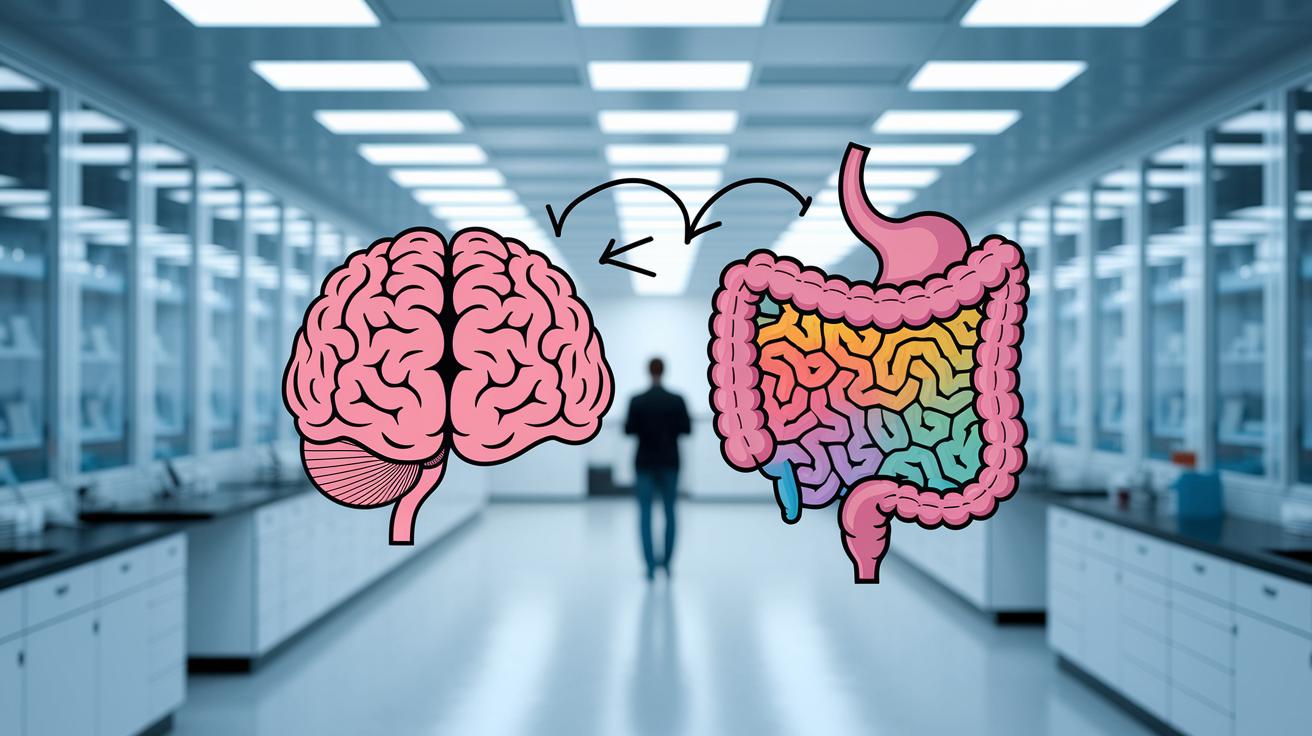
The brain and gut work together as a team. They send nerve signals and hormones to control hunger and fullness. This back-and-forth keeps your digestion on track and helps your body get the nutrients it needs.
When stress hits, this clear conversation can break down. Stress can scramble the signals between your brain and gut. This may cause your gut to move irregularly, leading to bloating, pain, or changes in bowel habits. Over time, ongoing stress can make these digestive issues worse.
This shows just how much stress can upset a normally well-run system. Knowing how stress affects your body gives you a clearer idea of what might be causing your discomfort.
Stress-Driven Digestive Disorders
When you're under stress, your stomach can act up fast. Stress can cause a burning chest, bloating, and tummy cramps. Your body may relax the muscle at the top of your stomach, letting acid push back and cause heartburn. It also changes how food moves through your gut, leading to gas and discomfort.
| Condition | Stress-Linked Mechanism | Key Symptoms |
|---|---|---|
| Heartburn (GERD) | Relaxed esophageal sphincter and extra acid | Burning chest pain, regurgitation |
| Dyspepsia (Indigestion) | Slowed stomach emptying and changes in acid | Bloating, nausea, belching, gas |
| Irritable Bowel Syndrome | Altered gut movement and sensitivity | Abdominal pain, cramping, diarrhea/constipation |
Notice if you often get a burning chest, persistent bloating, or painful cramps during stressful times. Recording these episodes can help you and your doctor spot triggers and plan ways to ease both your stress and your symptoms.
Hormonal and Neural Pathways in Stress and Digestion
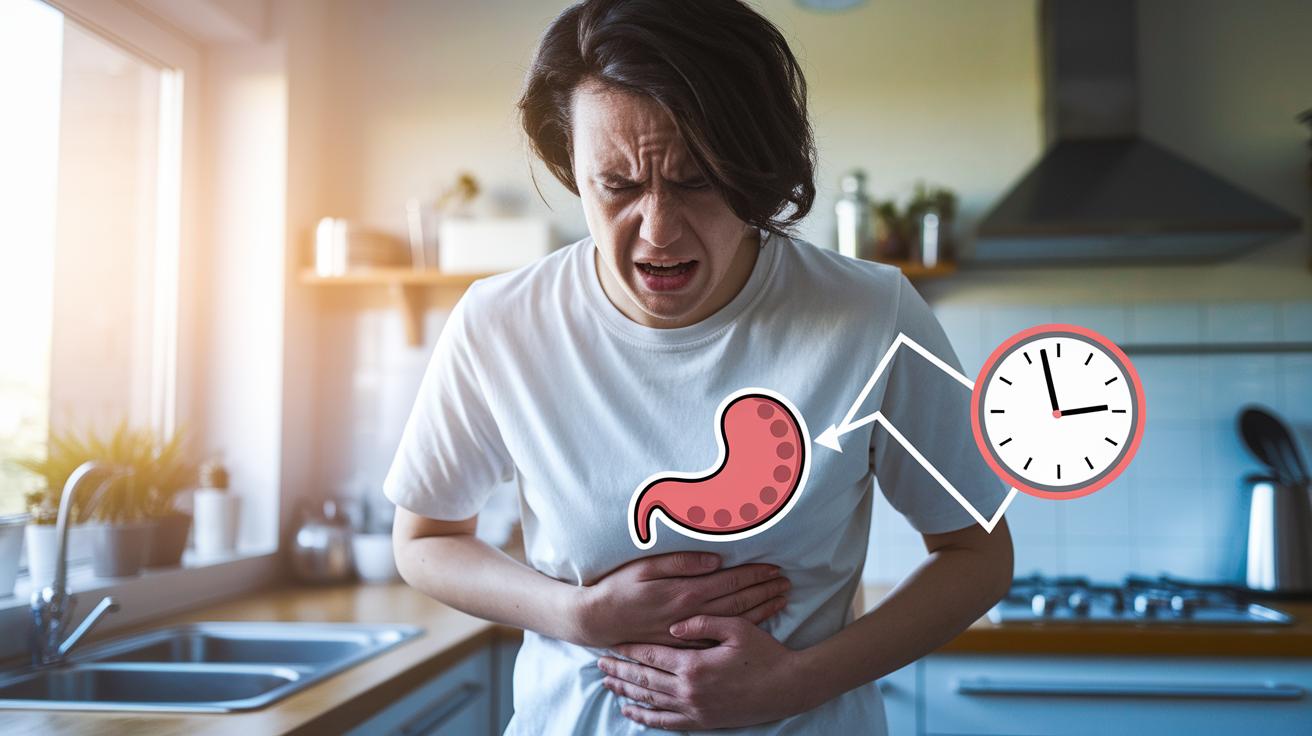
Stress sends out hormones that change how your gut works fast. High stress raises cortisol. This hormone blocks enzyme release and weakens your gut's protective lining. Without a strong lining, your body struggles to break down food. Meanwhile, a burst of adrenaline pulls blood away from your stomach. This slows how fast food moves through your gut and can lead to discomfort.
Cortisol’s Impact on Enzyme and Acid Production
High cortisol disrupts the normal release of enzymes. It also triggers extra acid production. This extra acid irritates your gut lining, like using too much heat when baking, which spoils the dough. The imbalance can make digestion less effective and may lead to pain or indigestion.
Autonomic Nervous System Shift Under Stress
When you are stressed, your body shifts from rest-and-digest mode to fight-or-flight mode. This switch reduces the calming signals that normally help break down food and absorb nutrients. With fewer rest signals, nutrient absorption slows down and normal digestion is disrupted.
In short, high cortisol and a stressed nervous system change enzyme release, acid production, and blood flow in your gut. These changes make it harder for your body to process food and get the nutrients it needs.
Clinician-reviewed. Last reviewed: October 2023.
Managing Stress to Preserve Digestive Health
When you're stressed, your gut can feel it too. Try these quick steps to ease both your mind and your stomach:
• Take slow, deep breaths or use progressive muscle relaxation to ease your body.
• Practice mindfulness to help settle your thoughts.
Simple habits make a big difference. Regular exercise, steady sleep routines, and even watching a short guided video on stress management (like these stress management techniques for anxiety) can lower stress and help your digestion work smoothly.
A calmer mind can lead to fewer stomach aches and better digestion. Add probiotic foods and balanced meals to support your gut. With each small change, you may notice more comfort and improved well-being.
Diet and Lifestyle Adjustments to Relieve Tension-Related GI Issues

Quick action: Start by adding fiber-rich foods to every meal. For example, try a bowl of oatmeal with apples and a few nuts. This boost helps keep your gut moving and can ease stress on your digestion.
• Eat plenty of fruits, vegetables, and whole grains. These foods support healthy digestion and steady your gut bacteria.
• Drink water throughout the day. Sipping water between meals helps your stomach process food better.
• Stick to regular meal times. Eating on a schedule prevents your stomach from getting overloaded with acid.
• Include probiotic-rich foods like yogurt or kefir to balance your gut flora.
• Cut back on high-fat, high-caffeine, and spicy foods. These can cause extra acid and discomfort.
These changes can make a big difference. Try adding one step at a time and notice how your body responds.
Clinician-reviewed • Last reviewed: Oct 2023
Identifying When to Consult a Healthcare Professional
Quick Action: If you notice any of these signs, get checked.
Red Flags:
• Persistent stomach pain
• Unintentional weight loss
• Severe nausea
• Blood in your stool or vomit
What It Feels Like: Your stomach may hurt or feel upset for days, even if you try to relax. This discomfort can show that your gut is stressed and not bouncing back.
Likely Causes: Stress is one reason, but these signs might mean something else is affecting your digestive system.
What to Do Now:
- Track your symptoms, write down when they start and how long they last.
- If the symptoms do not improve, call your doctor.
- Ask for a consultation with a gastroenterologist or a mental health expert to check how stress might be affecting your gut.
- Follow up promptly to prevent minor issues from turning into something chronic.
When to See a Clinician:
• If your digestive symptoms continue or get worse despite stress-relief methods.
• Once you notice any red flag, contact your healthcare professional without delay.
Clinician-reviewed. Last reviewed: October 2023.
Final Words
In the action of managing symptoms, we reviewed stress's impact on gut processes, from hormonal shifts and slow enzyme work to disrupted brain-gut messages. We saw how stress can trigger changes that lead to common digestive issues.
We also shared clear self-care steps and when to consult a clinician. Understanding how does stress affect the digestive system can help you take practical actions. Stay focused, monitor your signs, and keep a positive outlook as you work toward relief.
FAQ
How does stress affect the digestive system?
The impact of stress on the digestive system includes altered gut motility, disrupted enzyme secretion, and microbiome imbalances that hinder nutrient absorption, causing discomfort and prolonged gastrointestinal symptoms.
What are the long-term effects of stress on the digestive system?
The long-term effects of stress on digestion involve chronic enzyme disruption, persistent microbiome imbalance, slowed nutrient breakdown, and a feedback loop that intensifies stomach discomfort over time.
How do I stop stress from affecting my gut?
The approach to reduce stress effects on your gut centers on using relaxation techniques, engaging in regular exercise, following a balanced diet, and ensuring enough sleep to help restore digestive balance.
How does stress affect the urinary system?
The influence of stress on the urinary system can lead to increased muscle tension and irregular bladder function, which may sometimes manifest as incontinence or an urgent need to urinate.
What are three common stomach conditions affected by stress?
The three common stress-linked stomach conditions include heartburn (GERD), dyspepsia (indigestion), and irritable bowel syndrome, each presenting with symptoms like acid reflux, bloating, and abdominal cramping.
How does emotional stress contribute to stomach problems?
The effect of emotional stress on the stomach involves triggering stress hormones that alter gut motility and acid production while upsetting the balance of gut bacteria, resulting in digestive discomfort.
How does stress affect the nervous system?
The impact of stress on the nervous system involves increased production of cortisol and adrenaline, which disrupts brain-gut communication and heightens sensitivity to digestive pain.
How can I release tension in the gut?
The method to ease gut tension includes practicing mindfulness, deep breathing, gentle physical activity, and maintaining a balanced diet with proper hydration to soothe the digestive tract.
Does stress make you gassy?
The link between stress and gas stems from stress disrupting normal digestive processes, slowing peristalsis and enzyme activity, which can lead to increased gas production and bloating.
Does high cortisol cause gas?
The role of high cortisol in gas buildup is due to its effect on slowing digestion and disrupting enzyme balance, creating gut conditions that favor increased gas production.