

Quick action: Telehealth lets you get fast, reliable care from home.
• Doctors can spot small changes that might be missed in a regular visit.
• New digital tools like smart questionnaires and remote monitors help with accurate assessments.
• You get better care without always needing to travel to a clinic.
Telehealth is not just a backup plan for tough times. It’s a modern way to see subtle health changes early so you can get help when needed. If you notice new or unusual symptoms, consider a video visit with your doctor. Remember, getting a prompt check-up can make all the difference.
How Telehealth Advancements in Symptom Evaluation Are Transforming Remote Diagnosis
Telehealth is now making it easier to check your symptoms without leaving home. It grew a lot during COVID-19, when rules eased and insurance started paying for online visits beyond just rural areas.
Recent research at UCLA Health looked at 1,250 lung cancer patients (average age 65). They found that telehealth palliative care works just as well as traditional in-person visits. Two UCLA Health doctors noted that digital check-ups can sometimes spot small details that a face-to-face meeting might miss. For more on this research, see “Latest Symptom Research Updates.”
Today’s tools use video calls, online questionnaires, and remote monitors to check symptoms. These tools work together to give you a complete look at your health without the need to travel.
Key findings:
- Digital tools help doctors diagnose faster.
- Virtual visits offer care that is as good as in-person visits.
- More specialists are available, no matter where you live.
Clinician-reviewed note (last reviewed: Oct. 10, 2023).
AI-Powered Symptom Analysis and Digital Triage Solutions

Quick action: These systems quickly check your symptoms and direct you to the right care.
Digital tools now use computer models that learn from examples to spot subtle patterns in what you report. They work with clinical guidelines to help sort symptoms by urgency. For example, a smart system might flag a repeated cough in minutes and guide you to the right care setting.
Red flags to watch for include a mix of shortness of breath and chest tightness. In such cases, immediate care may be needed.
How it works:
- AI analysis reviews the signs you share.
- Automated triage sorts these signs by urgency.
- Clinical decision support then outlines your next steps.
This approach lightens the load for clinicians by handling routine checks so they can focus on complex care. Studies show that these digital systems can be as reliable as in-person evaluations, making remote diagnosis both efficient and safe.
Clinician-reviewed note (last reviewed: Oct. 10, 2023).
Wearable Devices and Real-Time Symptom Tracking in Telemedicine
Quick action: Use connected devices to send live data to your doctor at every digital visit.
Wearable devices help monitor your vital signs all day long. Smartwatches, fitness bands, and clinical sensors can track your heart rate, oxygen level (SpO₂), and daily activity. This stream of live data lets your doctor spot small changes in your health and make fast, informed decisions. Research shows that using live data in telehealth can improve your care.
Key benefits include:
- Keeping an eye on your heart rate for any unexpected spikes or dips.
- Watching oxygen levels so low saturation is caught early.
- Recording your activity to show signs of fatigue or changes in movement.
For instance, if your wearable shows a sudden drop in oxygen during a video call, your doctor can review the data right away and act quickly if needed.
You can add even more context by logging your own symptoms each day with tools like the Symptom Tracker App. This mix of personal notes and sensor data gives your care team a complete view of your health.
Clinician-reviewed | Last-reviewed: [Insert Date]
Clinical Outcomes and Case Studies Demonstrating Telehealth Reliability in Symptom Evaluation
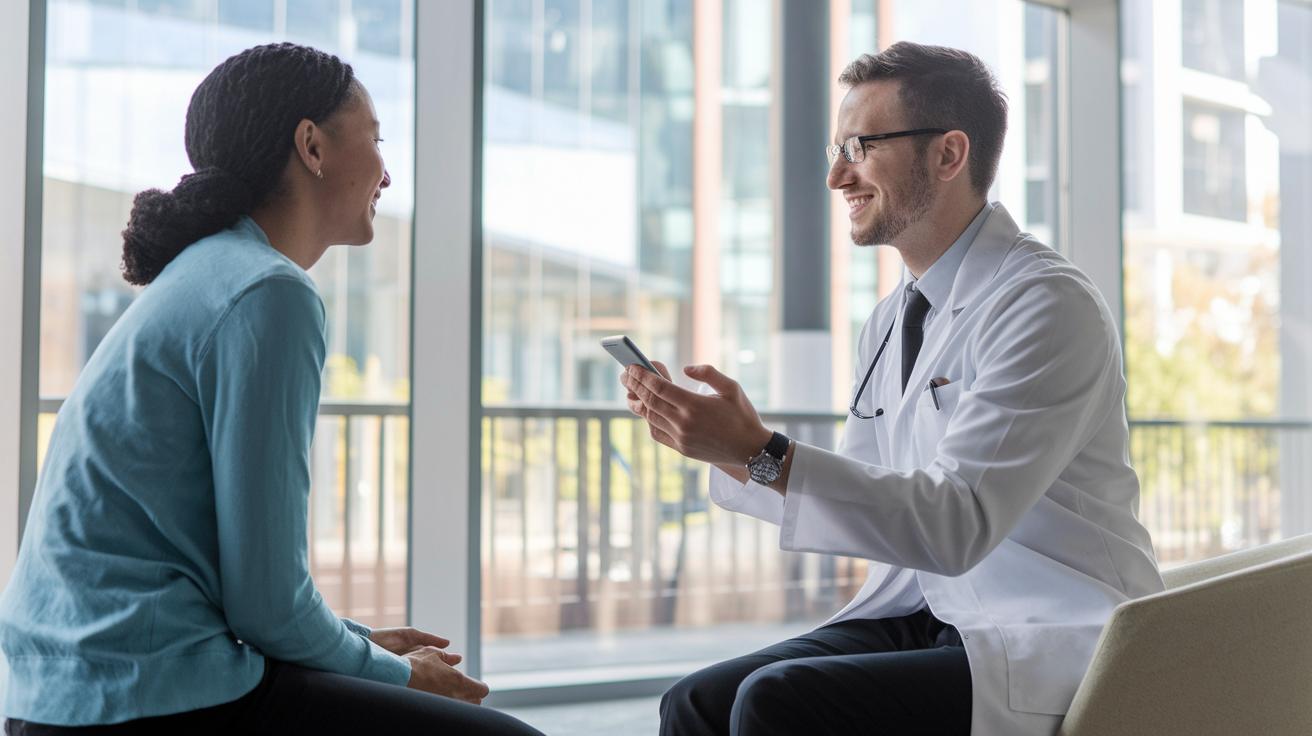
Telehealth can offer care that is as effective as face-to-face visits. A UCLA study found that lung cancer patients experienced quality-of-life improvements through telehealth that matched in-person care. In one community program, digital check-ins helped manage symptoms in real time, cutting emergency visits by 20%.
Telehealth also fills a big care gap. Only 10% of those needing palliative care receive it. Remote systems now reach underserved groups and use digital tools to collect real-world data. This live data helps clinicians make fast, informed treatment changes.
Key takeaways:
- Online consultations deliver immediate symptom reviews for quick decisions.
- Digital tools collect real-time data to guide faster care.
- Remote programs improve patient tracking in hard-to-reach areas.
- Case studies show fewer emergency visits and broadened access to care.
Clinician-reviewed note (last reviewed: Oct. 10, 2023).
Navigating Regulatory Updates and Integrating Telehealth Symptom Evaluation Systems
Quick action: Check your telehealth policies and update your digital care protocol immediately.
What to do now:
- Review recent changes in Medicare and private insurance policies that support virtual visits.
- Adjust your billing to match these new guidelines.
- Update your digital system to capture remote diagnostic data in your regular records.
What it feels like:
Telehealth now feels like a normal part of care. It works much like in-person visits, only online.
Likely reasons for these changes:
- COVID-19 pushed more remote care.
- Studies show online visits can be as effective as face-to-face care.
- Better technology helps combine live symptom data with your current records.
Next steps:
- Check for reimbursement updates.
- Improve your digital pathways for quick, cloud-based reviews.
- Integrate telehealth tools so patient data flows into your electronic health record.
When to get further help:
If you run into billing or tech issues during these updates, talk to a health informatics expert now.
Clinician-reviewed note (last reviewed: Oct. 10, 2023).
Future Directions: Predictive Health Algorithms and Personalized Symptom Analytics in Telehealth
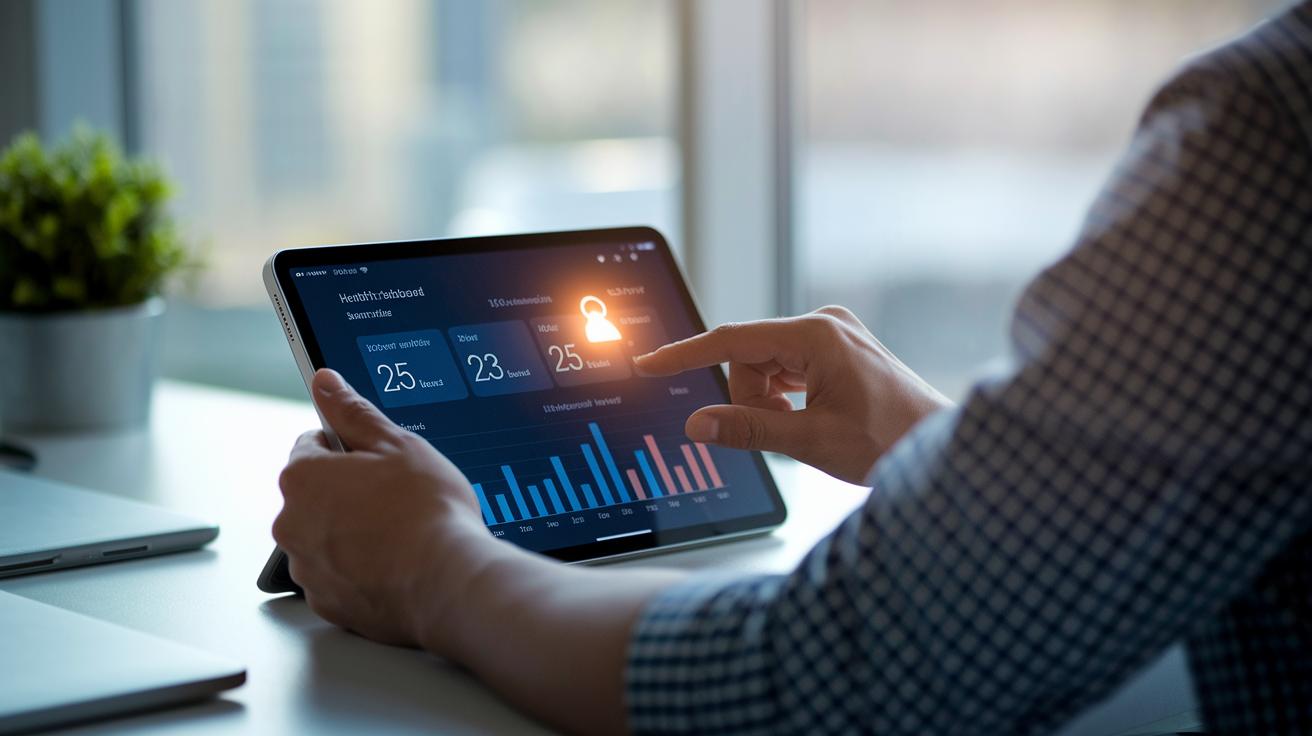
Quick action: Start using new AI tools now to catch health changes early.
Red flags:
- Sudden, unexpected changes in your usual symptoms.
- Alerts showing rapid worsening.
- New patterns in your daily health records.
What it feels like:
Imagine a system that watches your health daily. It notes tiny shifts in how you feel and sends alerts to you and your doctor as soon as things change.
Likely benefits:
- Tailored tracking that fits your unique health patterns.
- Early warnings that help you act before serious issues occur.
- Smart advice that adjusts based on your ongoing data.
What to do now:
- Begin recording your daily health details in a symptom diary.
- Use AI tools that offer personalized symptom analytics.
- Share your diary data with your healthcare provider for better care planning.
When to see a clinician:
If you get persistent alerts or notice clear changes in how you feel, see your doctor the same day.
What your clinician will ask:
They might check on when your symptoms started, how long they last, what makes them better or worse, and any recent changes in your health.
How to track:
Keep a simple daily log that includes:
| Detail | Example |
|---|---|
| Symptom Onset | Time and date when symptoms began |
| Severity (0-10) | 5 (moderate discomfort) |
| Triggers | Any activity or food |
| Changes Over Time | Noticed more frequently in the evening |
Clinician-reviewed note (last reviewed: Oct. 10, 2023).
Final Words
In the action, this article explored how telehealth advancements in symptom evaluation are reshaping remote diagnosis. We saw AI-powered symptom analysis, wearables for real-time tracking, and robust clinical studies verifying that remote visits can match in-person care. Updated policies and ongoing research point to a future where digital care becomes more precise and easier to access.
Each step emphasizes clear actions and red flags, pushing us toward safer, smarter health decisions. The future looks promising.