
Quick Action
If you feel anxiety taking over, pause for a moment and try a simple breathing exercise. It may help slow your heart and clear your mind right away.
What It Feels Like
When anxiety hits, your body feels overwhelmed and your mind races with worry. It can feel like a constant loop of stress that makes you lose focus.
How Meditation Helps
Meditation can break this cycle. By focusing on your breath, you give yourself a chance to reset. This simple act can ease stress signals and help you feel more in control.
What To Do Now
- Find a quiet spot and sit comfortably.
- Close your eyes and take slow, deep breaths.
- Concentrate on your breathing for a few minutes.
- Notice how your heart rate and stress begin to ease.
Red Flags
• If you have chest pain or trouble breathing while trying these steps, seek help immediately.
• If anxiety worsens or disrupts your daily life, talk with a clinician.
Clinician-reviewed
Last reviewed: October 2023
How Meditation for Anxiety Reduces Stress and Calms the Mind
When anxiety hits, your body goes into a fight-or-flight mode. This action releases stress hormones like epinephrine and cortisol. These chemicals raise your heart rate and blood pressure, which over time can lead to serious health issues. Two small, almond-shaped parts of your brain, called the amygdala, quickly trigger these signals and keep you on high alert, making it hard to relax.
Focusing on your breath helps break this anxious cycle. By paying attention to the rise and fall of your abdomen or scanning your body, you can shift your mind away from constant worry. This focus helps lower cortisol levels and eases the stress signals sent by the amygdala, allowing your body to slow down gradually.
Regular meditation has been shown to ease anxiety and improve your emotional control. Studies indicate a drop in panic attacks and better balance of stress hormones with consistent practice. In this way, meditation trains your mind to stay in the present moment, reducing the impact of stress now and building a calmer, stronger future.
Clinician-reviewed • Last reviewed: October 2023
Top Meditation Techniques for Anxiety Relief
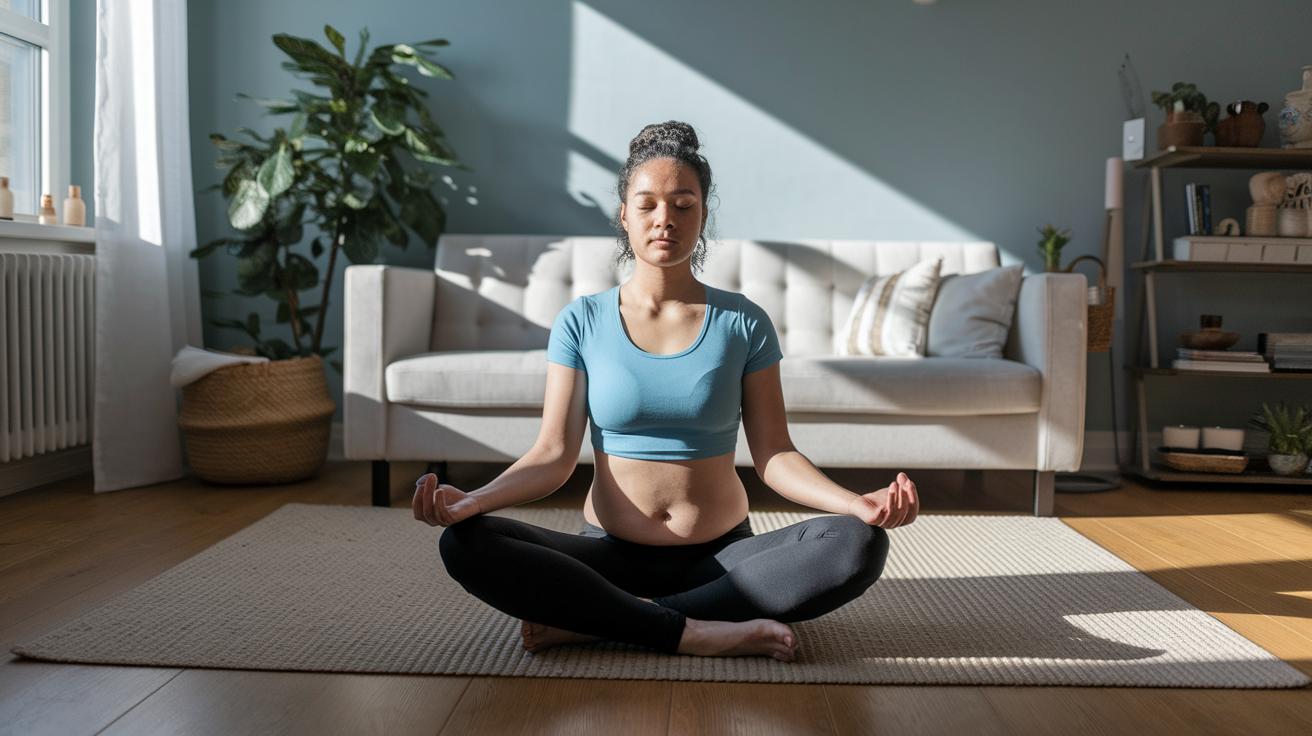
These meditation methods can help you calm your mind when anxiety strikes. Try these simple techniques to feel more relaxed and in control:
• Mindful check-ins: Pause for a few seconds during the day to notice how you feel in your body and mind. No judgment, just observe. This small break can ease overwhelming feelings.
• Breath awareness: Focus on the way your belly rises and falls as you breathe. This steady attention can slow down stress reactions and bring you back to the present moment.
• Body-scan meditation: Slowly shift your focus through your body, part by part. Notice any tight spots and allow the tension to ease. This is especially good for reducing physical discomfort that adds to anxiety.
• Observing thoughts: Watch your worries as they come and go, and gently label them as “thinking.” This keeps you from getting stuck in anxious loops.
• Loving-kindness meditation: Send kind thoughts to yourself and others. It helps build self-compassion and lessen the harsh self-criticism that can fuel anxiety.
• Guided imagery: Picture a peaceful scene or a happy memory. Let this image carry your mind away from stressful thoughts and toward calm.
• Mantra practice: Repeat a simple word or phrase out loud or in your head. This steady rhythm can quiet your racing thoughts and bring deep relaxation.
Give these techniques a try. Find the one that feels right for you and use it whenever you need to regain balance during stressful moments.
A Beginner’s Meditation for Anxiety: Step-by-Step Guide
Find a Quiet Space
Pick a calm spot with few distractions. Being in a quiet place helps you turn your focus inward so you can relax.
Set a 10-Minute Timer
Before you start, set a soft alarm for 10 minutes. This keeps your session on track without you worrying about the time.
Get Comfortable
Sit on a supportive chair or cushion with your back straight. You can cross your legs or keep your feet flat on the floor for balance.
Begin with a Body Scan
Start at your feet and slowly move your attention upward. Notice any tight spots and let them relax as you move through your legs, torso, arms, and head.
Focus on Your Breathing
Watch your breathing closely. Feel your belly rise and fall. Keeping track of your breath helps you stay in the present moment.
Notice Wandering Thoughts
When your thoughts drift, simply note them as “thinking.” Then, gently bring your focus back to your breath.
Close with Gratitude
Finish by taking a moment to thank yourself for practicing. Recognize the calm you have created and remind yourself that you deserve this peace.
Integrating Meditation for Anxiety into Your Daily Routine
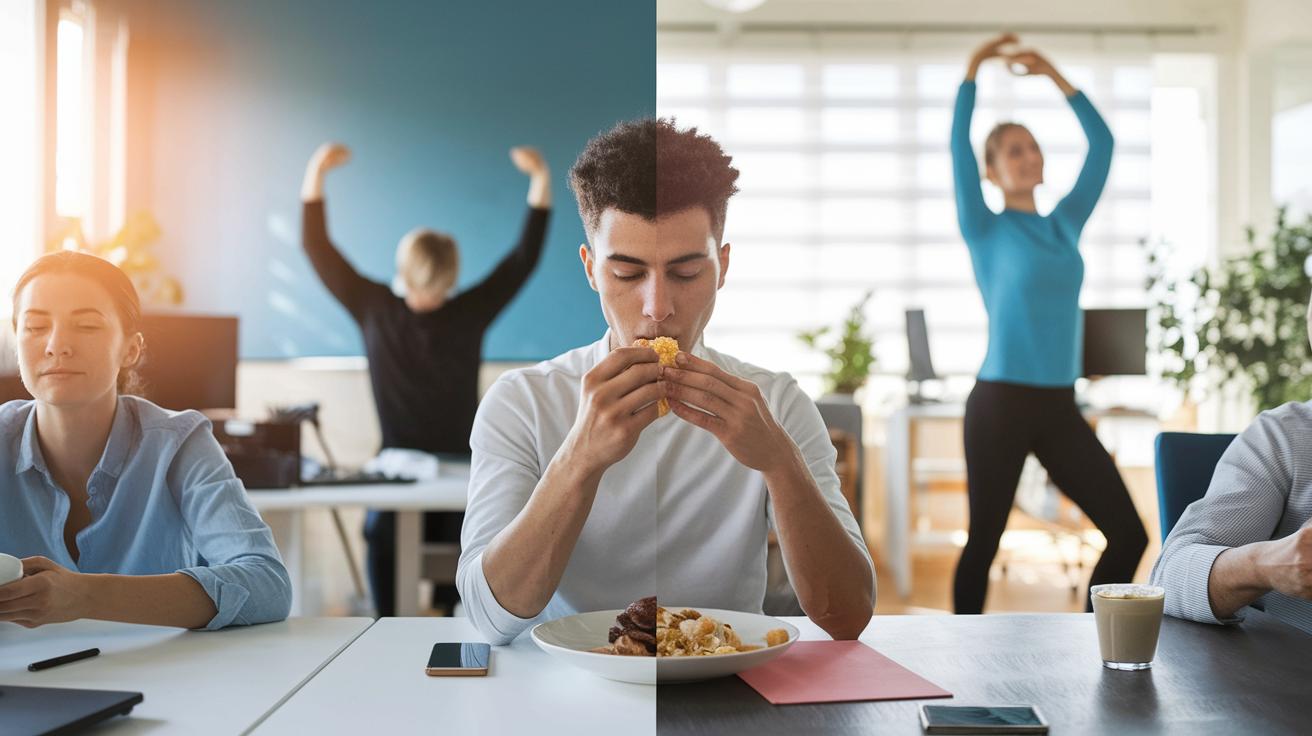
Quick action: Add small, mindful breaks to your day to lower stress. Before you eat, spend 2–3 minutes really noticing your food. Focus on each bite's taste and texture. This simple step helps ground your thoughts.
At work, try a brief 1–2 minute walk or a stretch break. It can clear your mind and ease anxious feelings. You might also join a short course or workshop during a break to help reset your mood.
When evening comes, build a wind-down routine to shift from the tension of the day to a calm state. Listen to a quick guided audio session or a 12-minute meditation podcast before bed. A gentle body-scan (a practice where you focus on relaxing each body part) can help you spot and ease tension.
By adding these easy habits, you blend meditation into your routine. This ongoing practice supports a calmer, more balanced life.
Clinician-reviewed, Last reviewed: October 2023
Best Apps and Audio Resources for Meditation to Reduce Anxiety
Quick action: Try guided meditation apps to calm your mind fast. These apps offer sessions from 3 to 30 minutes. They help you focus on your breath and slow down racing thoughts.
When to use:
- When you feel stressed.
- When you need a quick calming break.
What it feels like:
You might notice a tight chest or rapid thoughts. A guided session can help steady your breath and bring calm.
How they work:
- You open the app and choose a session that fits your time.
- You follow clear, step-by-step instructions.
For example, a 10-minute session might ask you to focus on slow, rhythmic breathing.
Free audio choices:
There are plenty of free resources online too. Look for relaxation podcasts or recordings like:
- 12-minute meditation podcasts
- Body-scan audio guides
- Breathing tutorials
These are great for a quick break or for listening before sleep, with soft soundscapes to ease your worry.
Extra help:
Some online courses and workshops bundle guided meditations into mini-courses. They often have free starter modules with expert tips. This can help you build a steady meditation practice to keep stress at bay.
Clinician-reviewed • Last reviewed: October 2023
Overcoming Common Challenges in Meditation for Anxiety

When you start meditation, you might face some common hurdles. One frequent issue is a wandering mind. When you notice your thoughts drifting, gently bring your focus back to your breath.
Another challenge is racing thoughts. Simply note these as "thinking" or "worry" and return to your breathing. Restlessness is also common. Try a short body scan or adjust your posture to ease any physical discomfort.
Begin with brief sessions of 3 to 5 minutes. This gives your mind and body time to adapt slowly to the practice.
Be patient. Each session is a step toward calming your anxious thoughts. Consistent, even small amounts of practice build your skills over time. Remember, every time you return to your breath, you are winning.
Final Words
in the action, you saw how meditation for anxiety eases stress by calming the fight-or-flight response and shifting focus toward relaxation. We reviewed how anchoring your breath and body scans can quiet racing thoughts and lower stress hormones.
The blog outlined practical techniques, a beginner’s guide, daily practices, and digital resources. Keep practicing these steps to build a calm mind and improve overall well-being. Small mindful moments pave the way to lasting ease.
FAQ
What does “meditation for anxiety near me” mean?
“Meditation for anxiety near me” refers to local meditation classes, centers, or community-based sessions designed to help ease anxiety and stress through guided practices.
How does guided meditation help with anxiety and overthinking?
Guided meditation helps by providing step-by-step instructions to focus on your breath and relax your mind. Sessions often range from 10 to 20 minutes, with many free options found on YouTube and apps.
What is the 3 3 3 rule for anxiety?
The 3 3 3 rule means you identify 3 things you see, 3 things you hear, and 3 things you feel, shifting your focus from anxiety to your immediate environment.
What kind of meditation is good for anxiety?
Effective meditation for anxiety includes mindfulness, breath awareness, and body-scanning techniques that help calm your thoughts and reduce the body’s stress responses.
How can you calm anxiety in 5 minutes?
A 5-minute session using deep, slow breathing and a quick body scan can lower stress, helping you shift away from anxious thoughts and regain a sense of calm.
What drink calms anxiety?
A warm cup of herbal tea, such as chamomile, can soothe anxiety by providing a comforting ritual that pairs well with relaxation techniques like meditation.