

Quick Action:
Make sure you understand each part of your medication guide so you take the right dose safely.
What to Know Now:
• Check that your personal info (like your name) is correct.
• Confirm the medication name matches what you expect.
• Note the dosage limits and any specific warnings.
What It Feels Like:
It’s normal to feel a bit lost with all the small print. Many people share this confusion.
Steps to Follow:
- Look over your medication guide.
- Mark the key details: your name, the drug name, dosage information, and any warnings.
- Keep these details handy so you feel secure every time you take your medicine.
Need Help?
If anything looks off or you feel unsure, ask your pharmacist or doctor right away.
Clinician-reviewed – Last reviewed: October 2023
Step-by-Step Breakdown of the Six Components in Your Medication Guide
This guide shows you what to check on your medication label so you can use your medicine safely. Make sure you go through every section. It helps confirm you have the correct medicine, the right dose, and clear instructions.
-
Patient Information
Look for your full name, your doctor’s name, and address. Verify these details to be sure the medicine is meant for you. -
Medication Name and Strength
This part lists both the brand and generic names along with the dosage strength (for example, "250 mg per 5 mL"). Check that the strength matches what your doctor ordered. -
Dosage Instructions
Here you see instructions like “Take one tablet twice a day” or “250 mg per 5 mL.” Follow these steps carefully to know exactly how much and when to take your medicine. -
Quantity and Refills
This section shows how many doses you have and the remaining refills. Make a note of the refill count so you can plan ahead and avoid running out. -
Prescription and Pharmacy Details
You will find the fill date, prescription number, and pharmacy contact information here. Use these details to check when your medicine was filled or if you need to follow up with your pharmacy. -
Warnings and Additional Instructions
This part gives special precautions such as drug interactions, allergy risks, and “discard after” dates for liquid medications. Follow these directions, and if a dose is missed or you notice side effects, talk to your pharmacist or doctor immediately.
Interpreting Dosage and Timing Details in Medication Guides
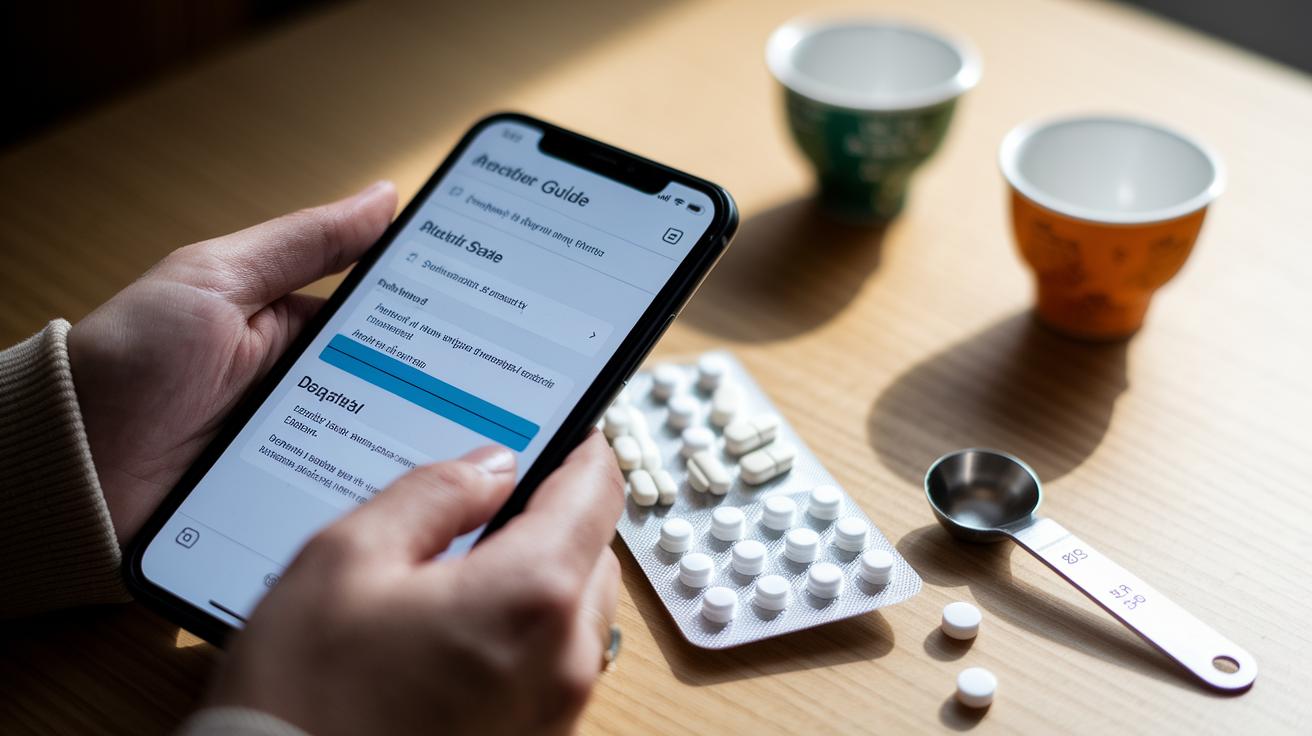
Quick action: Always check your medication guide for clear dosage instructions before you take your medicine.
Red flags:
- The dosage number or unit does not match your prescription.
- You feel unsure about how to measure your dose.
- You aren’t using the measuring tool provided.
What it feels like: Sometimes, dosage labels can seem confusing. Your guide is designed to show you exactly how much to take.
Likely causes:
- Standard Sig Codes paired with clear units.
- Written details that match your doctor's instructions.
- Use of standard measurement units like mg and mL.
What to do now:
- Read your medication guide. If it shows "250 mg/5 mL," it means there are 250 milligrams in every 5 milliliters.
- Verify that these numbers and units match your doctor's order.
- Use the syringe, cup, or dropper that came with the medicine. Do not use household spoons.
- Hold the measuring tool at eye level to ensure you see the correct dose.
- Note common abbreviations like BID (take twice a day) or TID (take three times a day) and set reminders if needed.
When to see a clinician: If anything on the label is unclear or doesn’t match your prescription, contact your healthcare provider immediately.
Your clinician will likely ask:
- What exactly is printed on your label?
- Are you using the proper measuring tool?
- How often are you taking the medicine?
clinician-reviewed: true. Last reviewed: October 2023.
Decoding Safety Warnings and Side Effect Cautions in Medication Guides
These labels give you key info about your medicine. They list drug interactions, allergy risks, overdose warnings, and how to store your medication safely. They also show which foods or other medications might not mix well with your treatment. For liquid medicines, always check the “discard after” date so you don’t use a weakened product. For example, a label might say, "Avoid taking with dairy products."
The guide also explains what to do if you miss a dose or if the medicine seems spoiled (like after vomiting). It usually advises you to take your next scheduled dose or to call your pharmacist for advice. For example, you might see, "If you miss a dose, contact your pharmacist to plan your next steps."
It also tells you when to act quickly. If you notice signs like trouble breathing or a rash, you should get help right away. For example, the guide may state, "If your symptoms worsen rapidly, call your doctor or pharmacist immediately."
Visual Aids and Symbols in Medication Guides
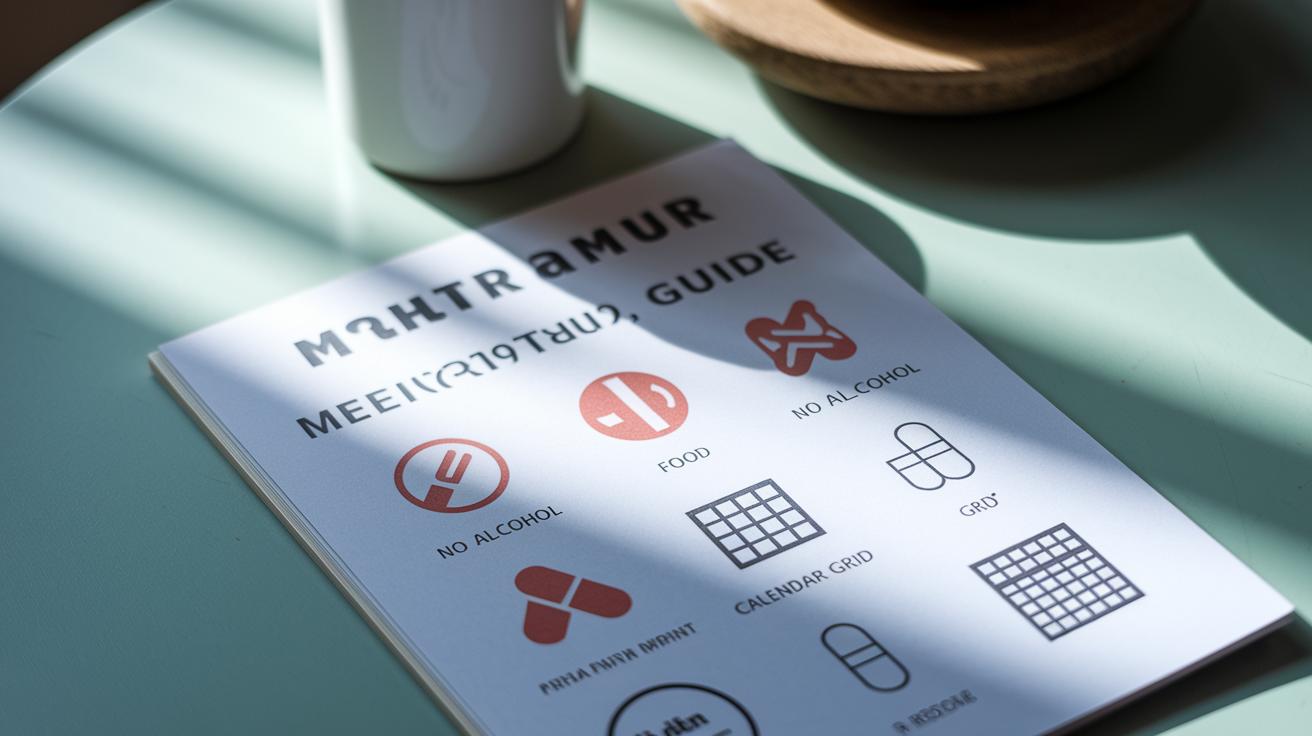
Quick action: Use the icons on your medication guide to get key instructions fast. These pictures make it easier for you to follow the directions correctly.
What the icons mean:
• A food icon means take the pill with food.
• A no‐alcohol symbol warns you not to mix it with alcohol.
• A dose-timing grid or calendar helps you know when to take each dose.
• Tablet imprint diagrams and color bars show you the right pill.
Always check the written instructions along with the icons. For example, if you see a grid for timing, read the text to confirm the exact times. If there's a food icon, the text will explain that you need to take it with meals. Matching the visual clues with the details helps you avoid mistakes when taking your medicine.
Best Practices for Safe Use from Medication Guides
Follow these simple steps to use your medicine safely:
• Set a phone alarm to remind you when to take your dose.
• Keep your medication guide and label in one spot, so you can check them easily.
• Always check the expiration date and the “discard after” date (especially for liquids) before each use.
• Track your doses using a written or digital log to note any changes or missed doses.
If you're ever unsure about any instructions or how to measure your dose, ask a trusted pediatric or pharmacy professional for a quick demonstration. This approach keeps you on track and safeguards your health.
Final Words
In the action of breaking down your medication guide, we focused on clear steps and examples. We detailed patient info, dosage instructions, refill criteria, safety warnings, and visual icons. We also shared easy self-care strategies to remind you of what to do next. If you ever wonder how to read a medication guide, this guide gives you a quick reference for what to look for. Stay proactive and positive, taking control of your health starts with clear, simple information.
FAQ
Medication Guide pdf
The Medication Guide pdf is a digital document issued by the FDA that contains usage instructions, safety tips, and dosage details to help you use your medication safely.
Medication Guide example
The Medication Guide example shows a sample layout with sections for patient information, dosage instructions, and safety warnings, offering a clear reference of how the guide organizes essential details.
FDA Medication Guide list
The FDA Medication Guide list is a directory of medications that require FDA-approved guides. It helps ensure that you receive vital safety information for these drugs.
Medication Guide FDA
Medication Guide FDA refers to the official information overseen by the FDA that comes with certain drugs, providing detailed directions on usage, warnings, and interactions.
Medication Guides
Medication Guides are official documents provided with prescriptions that outline patient details, dosage, warnings, and safety information to help you understand how to use your medication correctly.
List of drugs that require Medication Guides
The list of drugs that require Medication Guides details medications mandated by the FDA to include these documents, ensuring you receive all necessary instructions and safety warnings.
FDA Medication Guides database
The FDA Medication Guides database is an online repository where you can search for and review approved medication guides, providing reliable and up-to-date drug safety information.
Medication Guide template
A Medication Guide template offers a standard format for presenting key medication details, including patient information, dosage, refill directions, and warnings, making it easier to create clear instructions.
How to read medication instructions?
How to read medication instructions involves carefully reviewing dosage, timing, and warning sections to understand proper administration and avoid errors while ensuring safe use.
What are tier 1, 2, 3, 4 and 5 drugs?
Tier 1, 2, 3, 4, and 5 drugs are classifications set by healthcare plans that indicate varying cost-sharing levels, patient responsibilities, and medication access criteria.
What are the 7 R’s of medication?
The 7 R’s of medication describe seven essential steps—like the right patient, right drug, and right dose—to prevent errors and ensure safe and effective medication use.
What does a med guide look like?
A med guide typically looks like a small booklet or leaflet with clear sections for patient details, medication information, dosage instructions, refill data, and safety warnings to promote proper use.