

Ever wonder how a tiny gland near your stomach helps turn your food into energy? The pancreas acts like a mini factory. With each bite you take, it releases enzymes and alkaline juice that break down fats, carbs, and proteins so your body can use them for fuel. In this post, you'll see how this hardworking gland not only smooths your digestion but also plays a key role in keeping your blood sugar balanced.
Pancreatic Function: How the Pancreas Drives Digestion
The pancreas is a small, flat gland about the size of your hand. It sits behind your stomach near the start of your small intestine (duodenum). This spot lets it mix its juices easily with your food, starting the process that turns meals into energy.
With each meal, the pancreas releases an alkaline fluid. This fluid contains digestive enzymes that break down fats, carbs, and proteins into simple nutrients you can absorb. It also delivers bicarbonate, a substance that neutralizes the stomach acid so that the enzymes work best in the small intestine.
Besides aiding in digestion, the pancreas helps control your blood sugar. It does this by releasing hormones like insulin (which lowers blood sugar) and glucagon (which raises it). Think of it like a smart thermostat that keeps your body’s energy balanced.
Clinician-reviewed – Last reviewed: October 2023
Exocrine Secretion Mechanism of the Pancreas
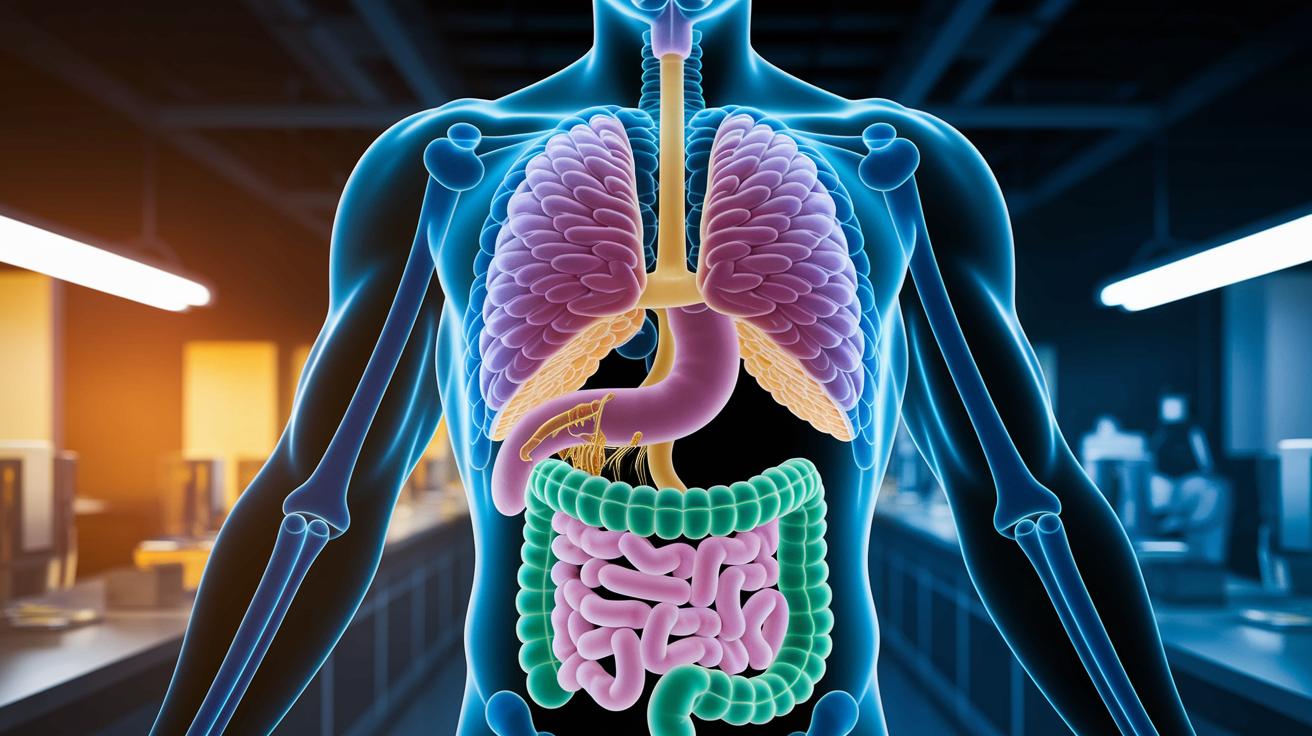
Your pancreas is a smart helper in digestion. It makes enzyme precursors that stay inactive until they reach the small intestine. This keeps the pancreas safe from self-damage.
Imagine a factory where products are built in a hidden workshop and only turned on when needed. That's what acinar cells do every time you eat. They build these enzyme precursors so your body is ready to digest food efficiently.
Ductal cells add to the process by releasing a bicarbonate-rich (alkaline) fluid into the small intestine. This fluid neutralizes stomach acid and creates the right conditions for the enzymes to work. This teamwork keeps your digestion smooth and protects your system.
If you ever think something is off with digestion, note any unusual pain or changes and mention them to your clinician.
Clinician-reviewed – Last reviewed 10/2023
Pancreatic Digestive Enzymes: Lipase, Amylase, and Proteases
Your pancreas makes special enzymes that break down fats, starches, and proteins so your body can use them. These enzymes are made in an inactive form to keep the pancreas safe until they reach your intestine.
Lipase works on fats. It splits fats into fatty acids and glycerol through a process called lipid hydrolysis. Amylase targets starch, turning it into simpler sugars like maltose and dextrins that your body easily absorbs. Proteases, including an enzyme called trypsinogen, become active in the duodenum (the start of the small intestine). They break down proteins into smaller pieces by cutting peptide bonds.
Together, these enzymes change large food molecules into tiny building blocks that give you energy, help repair tissues, and support growth. Ongoing research continues to show just how important your pancreas is for keeping you healthy.
| Enzyme | Substrate | Primary Function |
|---|---|---|
| Lipase | Fats | Breaks down fats (lipid hydrolysis) |
| Amylase | Starch | Converts starch into simple sugars |
| Trypsin | Proteins | Splits proteins (cleaves peptide bonds) |
Pancreatic Bicarbonate Release and Acid Neutralization

When you eat, cells in your pancreas send bicarbonate into your small intestine. This bicarbonate helps lower the stomach acid so it isn’t too harsh on your gut. Think of it like adding a pinch of baking soda to a spicy sauce to soften the heat.
A neutral or slightly alkaline setting is vital. Enzymes such as lipase (which helps break down fats), amylase (which works on carbohydrates), and proteases (which digest proteins) need this balanced pH to turn food into nutrients your body can use.
Hormonal Regulation of Pancreatic Secretions in Digestion
When you eat, your pancreas gets help from hormones and nerve signals. As soon as acid chyme hits your small intestine, special cells release secretin. This hormone tells nearby cells to push out a bicarbonate-rich fluid that neutralizes the acid. In turn, this cleaner environment lets your pancreatic enzymes break down food properly. Think of secretin like a switch that turns on when needed.
Other signals also adjust how your pancreas works. When fatty foods arrive, your gut makes cholecystokinin (CCK). This hormone moves the acinar cells of your pancreas to pump out fluids loaded with enzymes. In addition, nerve signals using acetylcholine give an extra boost, raising both enzyme and bicarbonate levels. Together, these signals keep your digestion running smoothly.
• Secretin
• Cholecystokinin (CCK)
• Vagal (neural) stimulation
Clinician-reviewed – Last reviewed: October 2023
Impact of Pancreatic Disorders on Digestive Function
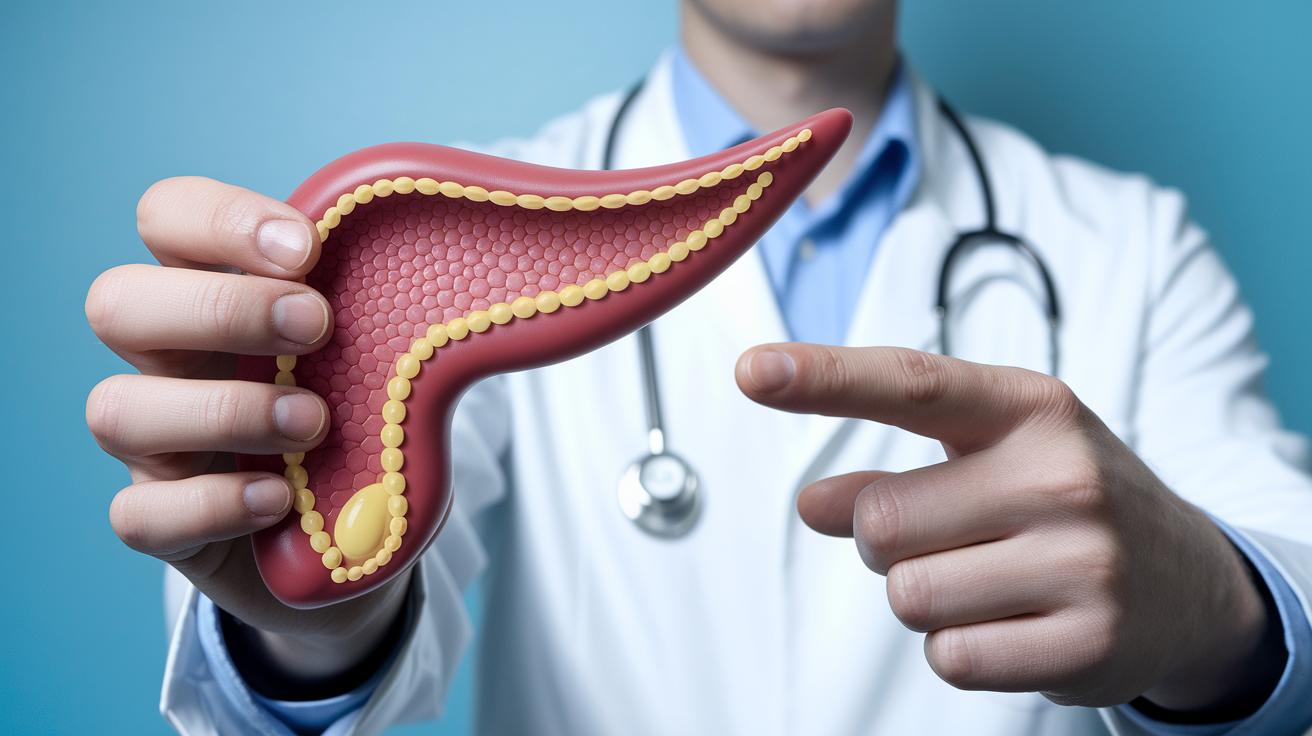
Pancreatic problems can make it hard for your body to digest food. In pancreatitis, enzymes start working too soon inside the pancreas, causing swelling that stops the gland from making enough enzymes. This often happens with gallstones or heavy alcohol use. Without enough enzymes, food isn’t broken down properly, and you may not absorb nutrients well.
Pancreatic adenocarcinoma, the most common type of pancreatic cancer (about 95% of cases), also hurts digestion. It damages the cells that produce enzymes, which leads to poor nutrient absorption, weight loss, and other digestive issues.
| Disorder | Digestive Impact |
|---|---|
| Pancreatitis | Swelling and low enzyme output that hinders nutrient breakdown |
| Pancreatic Cancer | Damage to enzyme-producing cells causing malabsorption |
Final Words
In the action, this guide breaks down the pancreas's role by exploring its location, enzyme production, bicarbonate release, and hormonal signaling. It shows how the function of the pancreas in digestion drives nutrient breakdown while balancing overall digestive processes. The post detailed how acinar and ductal cells work together and highlighted the impact of disorders like pancreatitis. Every section builds on quick, practical insight. Stay informed and feel ready to face next steps with confidence.
FAQ
Q: What is the pancreas and what are its main functions?
A: The pancreas is a flat, hand-sized gland behind your stomach that plays a dual role. It produces digestive enzymes and bicarbonate (exocrine function) and releases hormones like insulin to regulate blood sugar (endocrine function).
Q: What does the endocrine function of the pancreas do?
A: The endocrine function of the pancreas releases hormones such as insulin and glucagon to manage blood sugar levels. These hormones help regulate how your body uses and stores energy.
Q: What does the exocrine function of the pancreas include and how does the pancreatic duct work?
A: The exocrine function of the pancreas makes digestive enzymes and bicarbonate, which travel through the pancreatic duct into the duodenum. This helps neutralize stomach acid and break down fats, proteins, and carbohydrates.
Q: What are the first signs or symptoms of pancreatic problems?
A: The first signs of pancreatic problems can include abdominal pain, unexplained weight loss, digestive issues, and sometimes jaundice. These symptoms may indicate inflammation or blockage in the pancreatic ducts.
Q: Can you live without a pancreas?
A: Living without a pancreas is possible but requires lifelong management. People without a pancreas need to take enzyme supplements and insulin to replace lost functions and maintain proper digestion and blood sugar control.
Q: Does the pancreas affect bowel movements?
A: The pancreas affects bowel movements through its enzyme production. Insufficient enzyme release can lead to malabsorption and result in greasy or loose stools, as the body struggles to break down fats properly.