

Quick Action
Start by knowing that your feelings are important. A symptom is a personal signal like a pounding headache. In contrast, a sign is something your doctor measures, such as a high temperature during a check-up.
Why It Matters
When you notice a symptom, it might be a clue that something needs attention. At the same time, signs taken during tests help guide your care. Understanding both helps you take control of your health.
Take Charge
Keep track of what you feel and share it with your doctor. This simple step can lead to better guidance and care.
Clinical Definitions: Symptoms vs Signs
A symptom is a feeling you have that only you can sense. It is a change or discomfort you experience inside, like a throbbing headache or heavy fatigue.
A sign is a clue your doctor can see or measure. It may include a high temperature or weight loss that shows up during a check-up.
| Symptoms | Signs |
|---|---|
| Your personal feeling that others can’t see. | A measurable or visible change found by a doctor or device. |
| Examples: headache, tiredness. | Examples: fever, weight loss. |
| Told during your health history. | Found during a physical exam. |
| Helps guide the next steps in your exam. | Helps confirm and narrow down a diagnosis. |
Common Examples of Symptoms and Signs

These examples show how what you feel and what a doctor sees both help build a complete picture of your health. Your personal feelings and the signs a clinician observes work together to guide tests and care.
• What you experience yourself:
• Throbbing headaches
• Ongoing tiredness
• Aches in muscles and body
• Nausea or an upset stomach
• Dizziness or feeling lightheaded
• Shortness of breath
• What a doctor might observe:
• A fever (high body temperature)
• An irregular heart rhythm or a heart murmur
• Abnormal lung sounds when listening with a stethoscope
• A visible skin rash or spots
• Swelling in the limbs or joints
• Blood pressure readings that are too high or too low
Both your descriptions and the doctor’s findings are important. They help decide which tests to run, confirm a diagnosis, and guide the right care.
Clinician-reviewed • Last reviewed: Oct 2023
Assessing Symptoms Versus Identifying Signs in Clinical Practice
Your story matters. Your doctor listens closely to what you feel and watches for signs that show up during an exam. They follow trusted guidelines to decide how to check your health.
History Taking for Symptom Evaluation
In your visit, your doctor asks clear, open-ended questions like "What changes have you noticed?" or "How is this affecting your daily life?" You may even be encouraged to keep a diary of your symptoms. Writing down when you first felt bad, how strong the feeling is, and what seems to make it better or worse helps spot important patterns.
Physical Examination for Sign Recognition
Your doctor also does a careful physical exam. They look at you, gently press on your body to feel for problems, and listen with a stethoscope. Simple tools like thermometers or blood pressure monitors check key signs, such as a high temperature or a fast heart rate. These objective measures, paired with your own words, help narrow down the causes and build a full picture of your health.
Clinician-reviewed • Last reviewed: Oct 2023
Diagnostic Implications of Differentiating Symptoms and Signs

The symptoms you tell us about help guide your exam. For example, a long-lasting headache might point to sinus pressure or tension problems. Clear details in your report can flag warning signs that may need testing soon.
During your exam, the doctor also looks for signs they can measure. If you mention chest tightness while an irregular heartbeat is found (an unusual heart rhythm), these clues narrow down the list of possible issues.
When what you report and what is observed match up, it leads to more focused testing and treatment. For instance, burning chest pain together with an abnormal ECG (a test that shows heart rhythm) allows for faster decisions on care and clear treatment planning.
Historical Evolution of Symptoms and Signs in Medicine
Long ago, doctors used methods that seem odd today. They even tasted urine to detect changes in the body. In medieval times, providers started to note both what patients said they felt and what they could see. People often mentioned pain or fatigue, but it was hard to separate personal feelings from measurable signs. Despite having few tools, early clinicians learned how to spot illness in their own way.
Over time, clear rules were made to tell apart personal experiences from objective findings. Today, lab tests, scans, and other tools help doctors document signs with precision. These clear guidelines combine what you share with solid evidence. This evolution makes treatment faster and clearer, helping you get the right care when you need it.
Clinician-reviewed • Last reviewed: Oct 2023
Effective Reporting of Symptoms and Proper Observation of Signs
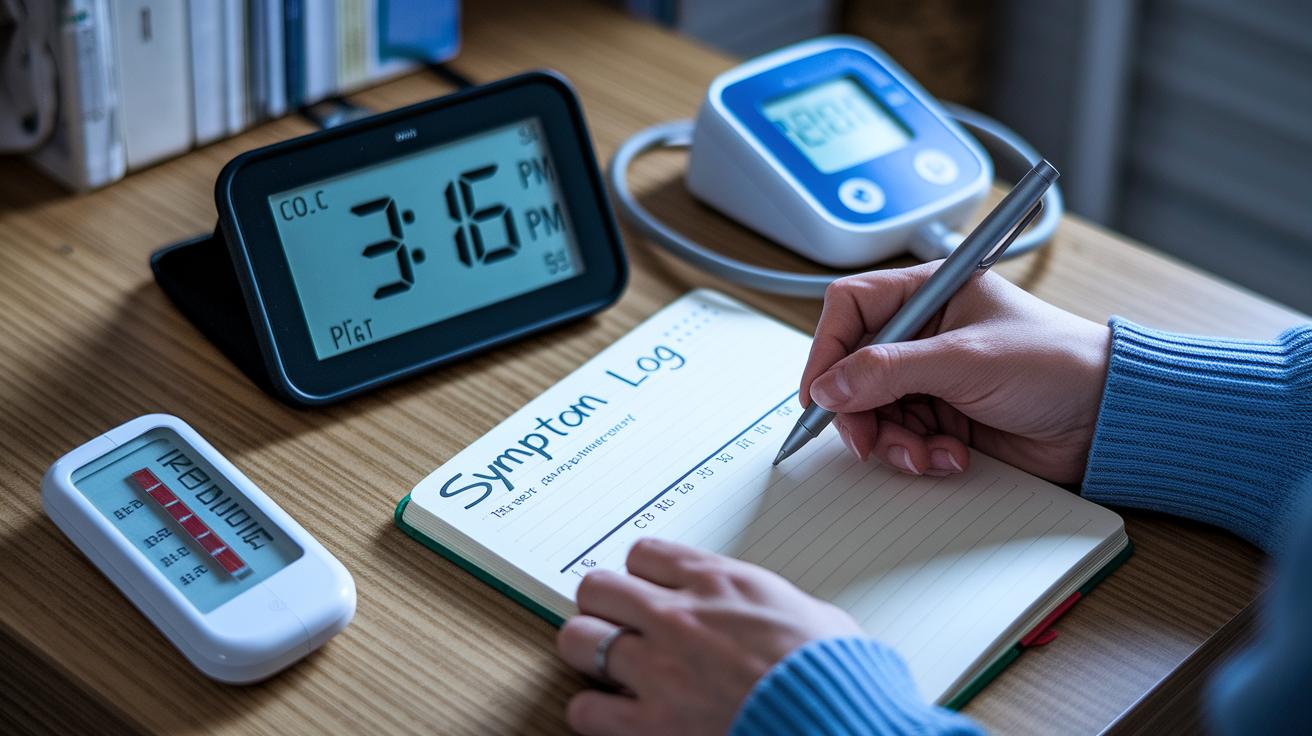
When you track your symptoms, note exactly when they start, how long they last, and how strong they feel. This clear record helps cut down on repeated questions and guides your doctor's exam.
Steps for clear reporting:
- Write down the exact time your symptom began.
- Rate your pain or discomfort on a scale from 1 (mild) to 10 (severe). For example: "My headache was a 7 at 3:15 p.m."
- Note any actions or events that trigger or ease the symptom.
- Record any self-care measures and their effects.
Your doctor uses your detailed history along with simple tests like checking your temperature and blood pressure to update your records during follow-up visits.
Clinician-reviewed • Last reviewed: Oct 2023
Final Words
In the action, you now have a clear view of how patient-reported symptoms differ from clinician-observed signs. The article outlined clear definitions and real-world examples, detailed practical steps to gather accurate information, and explained how each piece helps in diagnosis.
Breaking down this difference between symptoms and signs helps guide your next steps for care. Keep these details in mind, and move forward confidently.
FAQ
What is the difference between signs and symptoms?
The difference between signs and symptoms is that symptoms are personal experiences reported by you (like headache or fatigue), while signs are measurable findings observed by a clinician (like a fever or weight loss).
What are examples of signs and symptoms?
Examples of symptoms include pain, nausea, and tiredness that only you feel. Examples of signs include a high temperature, abnormal heart sounds, and skin rashes that a provider can observe.
How do signs and symptoms differ in clinical practice and pathology?
In clinical practice and pathology, symptoms are obtained from your description, guiding where to look next, while signs are confirmed by tests and observations that provide measurable evidence.
How can I remember the difference between signs and symptoms?
Remember: symptoms are what you feel and report, such as pain or dizziness, and signs are what a clinician sees or measures, like a rash or an abnormally high pulse.
What is the difference between clinical manifestations and signs and symptoms?
The difference is that clinical manifestations include both signs and symptoms. Signs are the measurable facts, and symptoms are your personal experiences, together creating a full clinical picture.
What is the difference between symptoms and a syndrome?
The difference is that symptoms are individual experiences like pain or fatigue, while a syndrome is a collection of symptoms that consistently occur together, often indicating a specific condition.