

Quick Action
If you suddenly feel tightness in your chest or a wheeze that catches you off guard, take a moment to note it. These signs can mean something is off with your lungs.
Key Signs to Watch
• A sudden, tight chest feeling
• A wheeze or brief trouble breathing
What It Feels Like
You might notice a sharp, brief tightness or an unexpected whistling sound when you breathe. This can happen even if you weren’t active.
Likely Causes
• Asthma – a condition that makes breathing hard when triggered
• COPD (chronic lung disease that makes breathing difficult)
• Pneumonia – an infection that can cause breathing to become labored
What to Do Now
- Keep track of when these symptoms happen. Write down what you feel and how long it lasts.
- If the feeling gets worse or you develop extra symptoms like pain or fever, call your doctor (or seek care within 24 hours).
- Share these notes with your clinician. They may ask when the symptoms started and what made them worse or better.
Why It Matters
Noticing these signs early can help you get the right treatment fast. Acting quickly can protect your lung health.
Clinician-Reviewed: Last updated October 2023
Overview of Common Respiratory Conditions and Associated Symptoms
When you notice changes in your breathing, it can be worrisome. Here’s a quick look at common lung issues and what they feel like:
• Asthma: You might have a dry cough, wheezing, and tightness in your chest. It tends to get worse during exercise or when you’re around allergens.
• COPD: This term covers chronic bronchitis and emphysema. It affects many people worldwide with blocked airways and heavy breathing.
• Lung Cancer: It can start in any part of the lung. Early screening is important if you are at high risk.
• Cystic Fibrosis: Found in about 30,000 people in the U.S., it causes thick mucus and frequent lung infections. Most cases are diagnosed by the age of two.
• Pneumonia: This infection makes the air sacs in your lungs swell. It often clears up in one to three weeks.
• Walking Pneumonia: A milder form of pneumonia, it usually affects children and can be managed with rest and over-the-counter remedies.
• Pleural Effusion: Fluid builds up in the space between your lung and chest wall. This can squeeze your chest, making it hard to breathe.
• COVID-19: This virus spreads through droplets and can cause cough, shortness of breath, and fever. Most people recover in one to two weeks.
Recognizing these symptoms early helps with timely care. Always check with your clinician for a proper evaluation.
Clinician-reviewed • Last reviewed: October 2023
Asthma: Symptoms, Triggers, and Monitoring
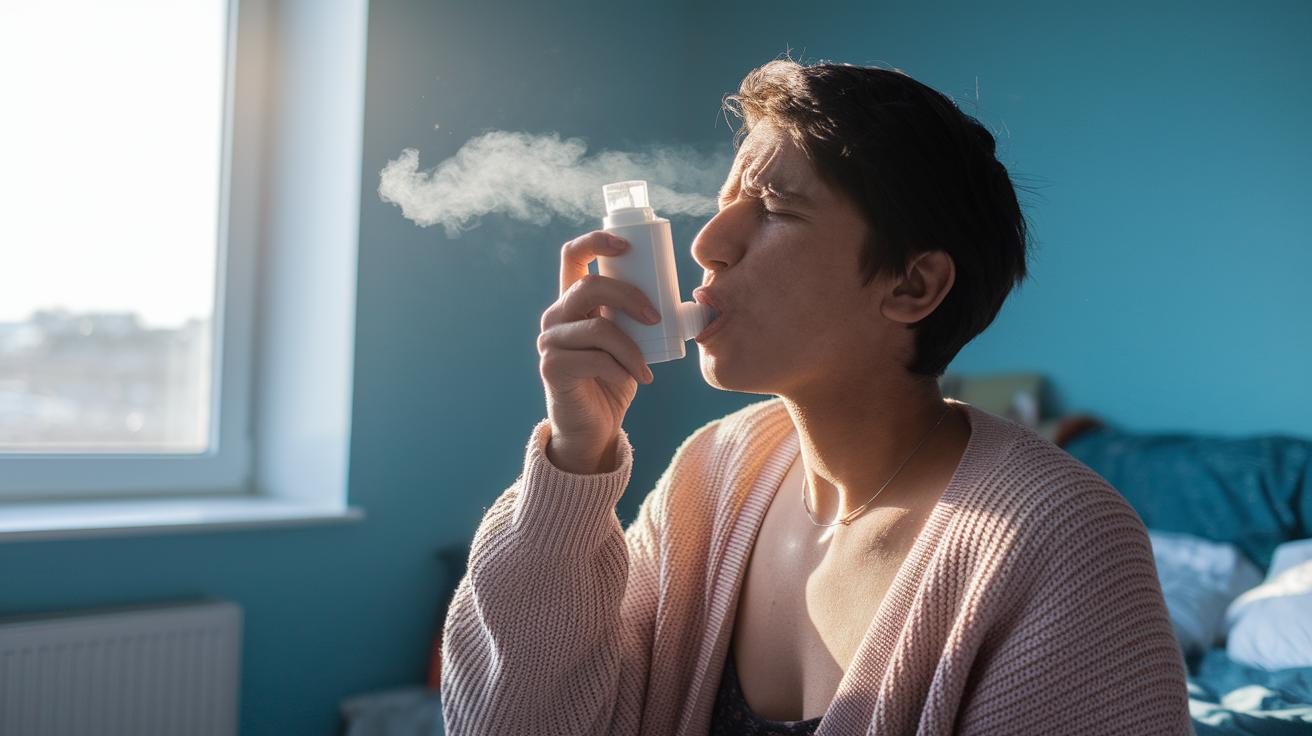
Asthma is a long-term breathing condition that makes your airways swell and narrow. It leads to symptoms like a dry cough, wheezing, chest tightness, and difficult breathing. Knowing your signs means you can adjust your care fast.
Key Asthma Symptoms
You might notice:
- A recurring wheeze.
- A feeling of tightness in the chest.
- Difficulty breathing.
- A dry cough, especially at night or after being active.
Think of it like a sudden, tight squeeze in your chest after climbing stairs. This sensation is a clear sign that your airways are irritated and inflamed, and it might be time to check your inhaler or your peak-flow readings.
Common Asthma Triggers
Asthma can flare up when you encounter certain triggers:
A quick tip: Keep a diary of your symptoms and triggers. This helps you understand what sets off your asthma and lets you manage flare-ups more effectively.
Clinician-reviewed • Last reviewed: October 2023
Chronic Obstructive Pulmonary Disease: Symptoms and Disease Details
Quick action: If you have a long-lasting cough or increasing breathlessness, talk to your doctor as soon as you can.
COPD is a long-term lung disease that makes it hard for air to flow in and out. It happens when you get both chronic bronchitis and emphysema. Worldwide, about 65 million people have COPD and nearly 3 million die from it each year. Recognizing the symptoms early can help you manage the condition better.
Red flags:
• A cough that lasts for weeks, most often in the morning
• Noticeable increase in mucus production
• Progressive breathlessness
What it feels like:
• With chronic bronchitis, you may experience a persistent cough, especially when you wake up. The airways become inflamed and clogged with mucus.
• With emphysema, you might feel a gradual shortness of breath because the tiny air sacs in your lungs lose their elasticity.
Likely causes:
• Long-term exposure to irritants such as cigarette smoke
• Air pollution and dust exposure
What to do now:
- Monitor your symptoms. Keep track of how long your cough lasts and any changes in your breathing.
- If your symptoms persist or get worse, contact your healthcare provider.
- Ask about treatments like bronchodilators (medications that help open your airways) that may ease your discomfort.
When to see a clinician:
• If your cough or shortness of breath worsens over time
• If you notice new symptoms or changes in your breathing patterns
Clinician-reviewed, Last-reviewed: October 2023
Infectious Respiratory Conditions: Pneumonia, Bronchitis, and COVID-19

Quick action: If you have high fever or severe breathlessness, seek emergency care immediately.
These infections can all cause a cough and fever, but they differ in causes and treatments. Pneumonia affects the air sacs in your lungs and can come from bacteria, viruses, or fungi. COVID-19 is a virus that spreads through droplets. Acute bronchitis, sometimes called walking pneumonia in younger people, is usually caused by a bug and often clears up on its own, although a lingering cough may need care.
| Condition | Key Signs | Typical Length | Usual Care |
|---|---|---|---|
| Pneumonia | Cough, fever, trouble breathing, mucus buildup | 1–3 weeks | Antibiotics or supportive care |
| Acute Bronchitis | Cough (may last), mild fever, throat irritation | Days to weeks | Rest, OTC meds (walking pneumonia is a milder form) |
| COVID-19 | Cough, shortness of breath, fever | 1–2 weeks | Supportive care and isolation |
High fever and severe breathlessness are clear warning signs. If you experience these, get help right away.
Other Notable Airway Disorders: Lung Cancer and Cystic Fibrosis
Lung cancer can hide in any area of the lung, making it hard to spot early. People at high risk usually get regular chest scans and imaging tests. Nowadays, genetic tests help find early changes. For instance, a doctor might see a small dark spot on a CT scan that could mean cancer is starting, so they order more tests. Treatment can be tough. Sometimes surgery isn't an option, and doctors may use targeted drugs or immunotherapy.
Cystic fibrosis affects nearly 30,000 Americans, with most cases identified by age two. This condition causes thick mucus, frequent lung infections, and damage to the airways (bronchiectasis). In some cases, fluid can build up around the lung (pleural effusion), leading to chest discomfort and shortness of breath. New inhaled treatments aim to clear mucus and help lung function. Noticeable changes like more coughing or trouble breathing should prompt you to seek care.
When to Seek Care and Preventive Measures for Respiratory Health
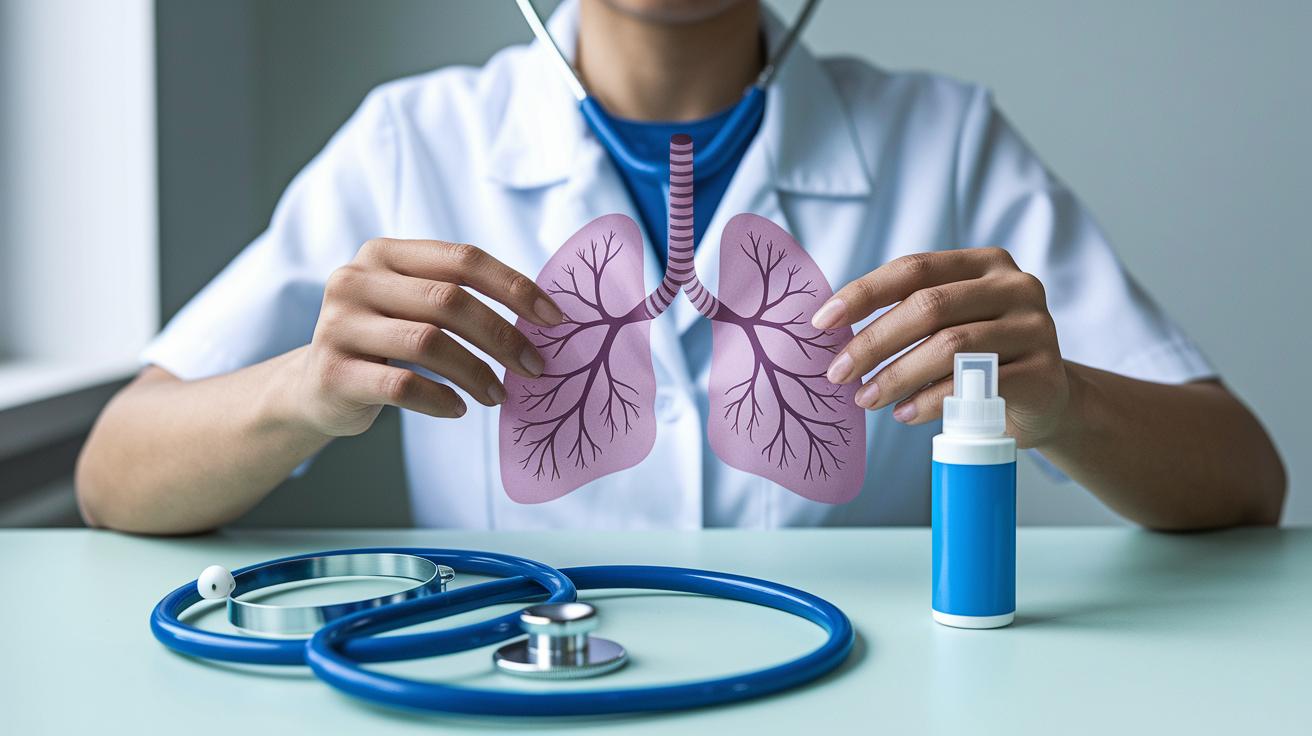
Quick Action:
If you notice a change in your breathing or feel any of these signs, see a doctor right away:
- High fever
- Severe shortness of breath
- Chest pain
These symptoms could mean your condition is worsening. Early care can help you avoid complications.
Here are some ways to protect your lungs:
- Smoking cessation: Quitting smoking is the best way to keep your lungs healthy.
- Vaccination: Get your annual flu shot if you are older, have a weak immune system, or work in healthcare.
- Hygiene: Wash your hands often and wear a mask during outbreaks to cut down on germs.
- Trigger avoidance: Stay away from things that make your symptoms worse.
- Air quality management: Use air purifiers and avoid polluted places when you can.
- Self-monitoring: Keep a record of your symptoms and use tools like peak-flow tests to spot changes.
Regular check-ups with your doctor are important. They will monitor your progress and update your care plan to help keep your breathing stable.
Clinician-reviewed, Last-reviewed: [Insert Date]
Final Words
In the action, we broke down common respiratory conditions and key symptoms to help you spot warning signs early. We looked at conditions like asthma, COPD, and infectious lung issues, discussing hallmark symptoms, risk factors, and prevention tips.
We also explored screening steps for lung cancer and cystic fibrosis. Remember these guidelines as practical steps in your health journey. Stay vigilant, track your symptoms, and always be ready to act when needed.
FAQ
Q: What are some common respiratory illnesses?
A: The common respiratory illnesses include asthma, COPD, pneumonia, bronchitis, lung cancer, and COVID-19. They often show symptoms like cough, shortness of breath, and chest tightness.
Q: What are the ten respiratory diseases?
A: The ten respiratory diseases cover disorders such as asthma, COPD, lung cancer, pneumonia, bronchitis, cystic fibrosis, pleural effusion, COVID-19, and other related conditions, affecting breathing and lung function.
Q: What are the common signs and symptoms of respiratory diseases?
A: The common signs and symptoms of respiratory diseases include a persistent cough, shortness of breath, chest tightness, wheezing, and mucus buildup, which signal potential lung issues.
Q: What are the first signs of lung problems?
A: The first signs of lung problems often include unexpected shortness of breath, a dry cough, and mild chest discomfort. Noticing these early can help prompt a timely check-up.
Q: What are the five major respiratory conditions?
A: The five major respiratory conditions are asthma, COPD, pneumonia, lung cancer, and COVID-19. Each has distinctive symptoms that require proper evaluation and management.
Q: What are the respiratory disease symptoms in females?
A: The respiratory disease symptoms in females typically include shortness of breath, a persistent cough, and chest tightness. These signs indicate potential lung issues and may need further medical assessment.