

Quick action
If you’re dealing with unexplained stomach pain or sudden changes in digestion, pay attention to the signs and follow these steps.
Red flags
• Bloating that feels unusual
• Sharp, on-and-off abdominal pain
• Persistent heartburn
What it feels like
You may feel discomfort, tightness, or burning in your stomach. The pain might come and go and may be accompanied by changes in how you digest food.
Likely causes
• IBS (Irritable Bowel Syndrome, a condition that causes stomach pain and changes in bowel habits)
• GERD (Gastroesophageal Reflux Disease, where stomach acid moves up into the throat)
• Ulcerative disorders (inflammation or sores in the digestive tract)
What to do now
- Track your symptoms. Write down what you feel and when it happens.
- Take note of any triggers like certain foods or stress.
- If your discomfort grows or continues into the next day, consider contacting a healthcare provider.
Understanding these signs can help you take charge of your digestive health. Remember, you deserve to feel well, so keep an eye on these signals and act fast if things change.
Clinician-reviewed | Last reviewed: October 2023
Overview of Common Gastrointestinal Conditions and Key Symptoms
The GI tract is a long tube that runs from your mouth to your anus. It helps break down food and absorb nutrients. This system includes the stomach, intestines, and other organs that work together to digest food and clear waste. For a clear picture, check out this diagram: (https://spiritsocietyofpa.com?p=324).
Gastrointestinal issues come in many forms. Here are some common types:
- IBS (irritable bowel syndrome): Causes discomfort and cramping without visible damage.
- GERD (gastroesophageal reflux disease): Leads to stomach acid backing up into the esophagus.
- Inflammatory conditions (like Crohn’s disease and ulcerative colitis): Create ongoing irritation in the gut.
- Ulcerative issues (such as peptic ulcers and gastritis): Affect the upper parts of the digestive system.
- Malabsorption problems (for example, celiac disease): Hinder the body from absorbing nutrients.
- Biliary and pancreatic conditions (such as gallstones and pancreatitis): Involve problems with bile and enzymes needed for digestion.
You might notice these clear warning signs:
| Symptom | Description |
|---|---|
| Abdominal pain | Ongoing or cramping pain in the belly |
| Bloating and gas | Swelling and discomfort in the stomach area |
| Change in bowel habits | Shifts from diarrhea to constipation or vice versa |
| Blood in stool | Red or dark streaks in bowel movements |
| Heartburn | A burning feeling in the chest |
| Nausea and vomiting | Repeated feelings of sickness |
Noticing these signs can help you decide when to seek care. If you experience these symptoms often or they worsen, it’s a good idea to contact a healthcare provider promptly.
Clinician-reviewed | Last Reviewed: October 2023
Irritable Bowel Syndrome as a Common Gastrointestinal Condition and Its Symptoms

Quick Action:
If you have recurring belly pain and changing bowel habits, start tracking your symptoms and what you eat. This can help you and your doctor manage IBS better.
Red Flags:
- Intense pain that stops you from doing daily activities
- Pain with blood in your stool
- Unexpected weight loss
What It Feels Like:
IBS can make your belly hurt on and off. You may feel bloated and notice that your bowel habits change, sometimes with diarrhea and other times with constipation. You could also feel a sudden need to use the bathroom followed by relief.
Likely Causes:
- Stress
- Certain foods
- Natural changes in gut function
What to Do Now:
- Keep a simple diary that notes your food, stress levels, and belly pain.
- Watch for patterns with your meals and stress.
- If your symptoms worsen or you notice red flags, see your doctor the same day.
When to See a Clinician:
Call or visit your healthcare provider if your pain becomes severe or if new symptoms appear within 24 hours.
What Your Clinician Will Ask:
- When did your pain start and how often does it happen?
- What changes have you noticed in your bowel habits?
- Are there specific foods or stress that seem to trigger your symptoms?
How to Track This Symptom:
Keep a record with the following details:
- Date and time of pain onset
- Pain score (0 to 10) with simple words (for example, 5 means moderate pain)
- Foods eaten before the pain
- Any stress or unusual activity
Clinician-reviewed. Last reviewed: October 2023.
Acid Reflux and GERD: Recognizing Symptoms of Reflux Disorders as a Gastrointestinal Condition
Quick action: If you notice a burning pain in your chest, especially after meals or at night, pay attention. This feeling is called heartburn. It means stomach acid is backing up into your throat.
Red flags:
- Burning pain that mimics heart pain
- Difficulty swallowing (when food feels stuck)
- A cough that doesn't go away
- Acid coming up into your throat
What it feels like:
You might feel a sharp burning in your chest. Sometimes the acid creeps up to your throat. This can make eating and sleeping hard.
Likely causes:
- Stomach acid moving up into the esophagus
- Irritation of the esophagus from frequent acid exposure
What to do now:
- Note when your symptoms start and what makes them worse.
- Try to eat smaller meals and avoid trigger foods like spicy or fatty items.
- If symptoms disturb your sleep or daily routine, consider over-the-counter medicines that lower stomach acid.
When to see a doctor:
If you experience pain that feels like heart trouble, have trouble swallowing, or your symptoms persist despite self-care, contact your clinician soon. They may suggest tests like an endoscopy or a 24-hour pH monitoring to check your acid levels. They might also use a reflux symptom index to measure how bad your symptoms are.
Clinician-reviewed | Last reviewed: October 2023
Inflammatory Bowel Diseases: Crohn’s Disease and Ulcerative Colitis Conditions and Symptoms
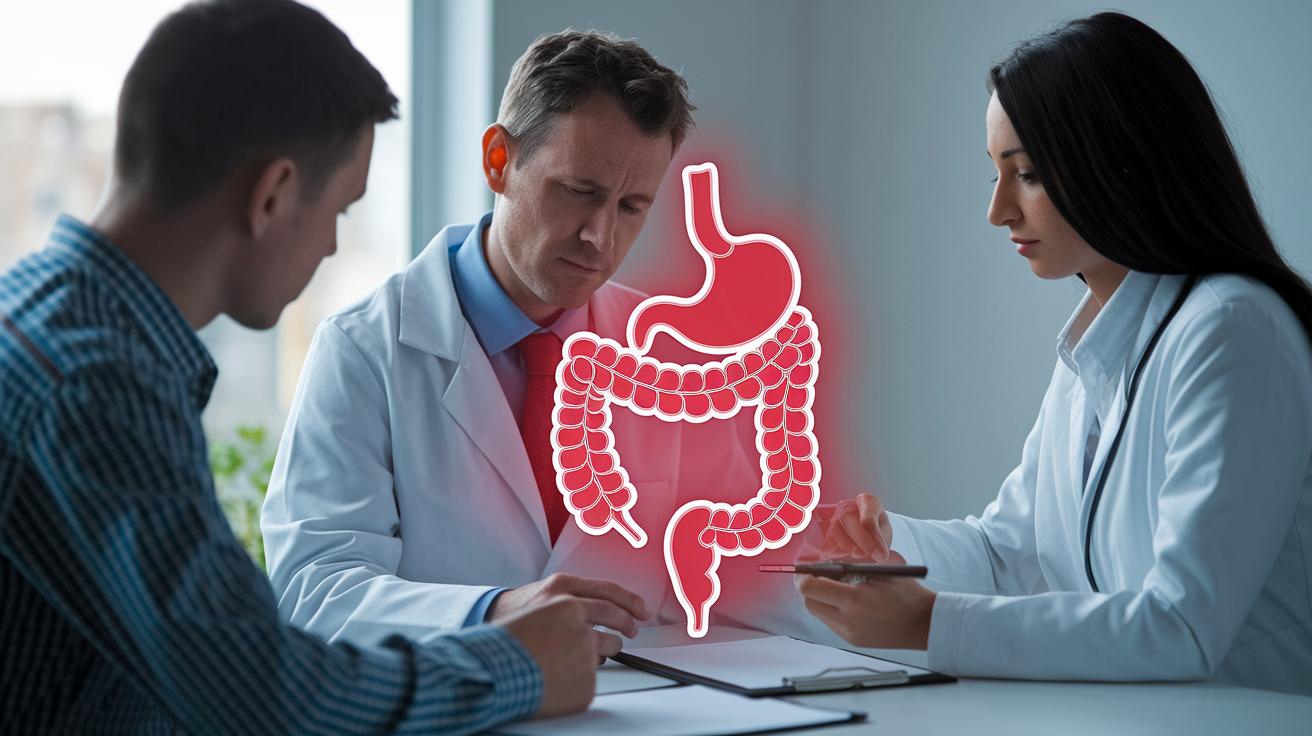
Quick Overview:
These conditions affect your gut and can really disrupt daily life. You might notice ongoing pain, diarrhea, or unexpected weight loss. Keep an eye out for signs like sudden rectal bleeding or a big drop in weight. If you see these red flags, reach out to your doctor soon.
Crohn’s Disease:
• It can hit any part of your digestive tract.
• You may feel pain in your lower right side.
• Chronic diarrhea can lead to weight loss and fatigue.
• Fistulas (small tunnels that form between organs) might occur and need special care.
Ulcerative Colitis:
• This affects only the colon.
• Bloody diarrhea and a constant urge to use the bathroom are common.
• Some people also feel fever or joint pain along with the gut issues.
• The inflammation sticks to the inner lining of the colon, which sets it apart from Crohn’s.
What to Do Now:
• Track your symptoms, especially any sudden changes.
• If you notice severe pain, rapid weight loss, or rectal bleeding, contact your healthcare provider immediately.
• Regular check-ups help catch issues early.
Red Flags:
• Persistent, sharp abdominal pain
• Unexplained weight loss
• Bloody stools or sudden rectal bleeding
Both conditions share long-term risks:
Long-term inflammation can boost your risk of colon cancer. Keeping in touch with your doctor and having regular screenings can help manage these risks.
Clinician-reviewed • Last reviewed: October 2023
Peptic Ulcer and Gastritis Conditions: Key Indicators and Symptoms in the Upper Gastrointestinal Tract
Quick action:
If you have burning pain in your upper stomach soon after eating or at night, call your doctor. If you notice signs like vomiting blood or having dark, tarry stools, get help right away.
What it feels like:
Peptic ulcers usually cause a burning pain in the upper middle area of your stomach. This pain often happens 1–3 hours after a meal or during the night. Food or antacids may ease the pain for a short time, but it can come back quickly. The pain might be sharp and stick around, making it hard to ignore.
Red flags and possible causes:
- Vomiting blood (hematemesis) or dark, tarry stools (melena) are serious signs.
- Stress and some medicines can make the pain worse.
- Gastritis causes similar discomfort but feels more like general stomach upset. You might also feel sick, lose your appetite, or feel full very soon after eating.
- An infection from H. pylori is a common cause of gastritis.
- In more serious cases, gastritis can lead to sudden vomiting.
What to do now:
Keep track of your symptoms and discuss them with your healthcare provider. Early recognition can help steer you toward the right treatment path.
Celiac Disease and Gluten Sensitivity as Gastrointestinal Conditions with Malabsorption Symptoms

Quick Action:
If you're dealing with ongoing diarrhea, a bloated belly, unexpected weight loss, or constant tiredness, these could be signs that gluten is causing trouble. Keep track of your symptoms and consider reaching out for help.
Red Flags:
- Persistent diarrhea or severe belly pain
- Unexplained weight loss
- Extreme fatigue or signs of anemia
What It Feels Like:
Many people with celiac disease face chronic diarrhea, a bloated stomach, and feelings of exhaustion. You might even notice a dull pain in your midsection. Others with gluten sensitivity have similar issues, though without the marked intestinal damage.
Likely Causes:
- Celiac Disease: Your immune system mistakenly attacks gluten. This damages your small intestine’s villi (tiny projections that help absorb nutrients), leading to malabsorption.
- Gluten Sensitivity: You experience digestive discomfort from gluten without the autoimmune damage seen in celiac disease.
What to Do Now:
- Write down your symptoms, including when they started and how they feel.
- Consider trying a gluten-free diet for a short period to see if your symptoms improve.
- Visit your doctor if these symptoms continue. They may perform a blood test (tTG-IgA) and possibly recommend an intestinal biopsy for a clear diagnosis.
When to See a Clinician:
If your discomfort persists or you have any of the red flags listed above, it’s important to see a healthcare professional right away.
What Your Clinician Will Ask/Examine:
- Details about your symptoms and diet
- Blood tests to look for antibodies (like tTG-IgA)
- Possibly an intestinal biopsy to check for damage to the villi
Clinician-reviewed. Last reviewed: October 2023.
Gallbladder and Pancreatic Conditions: Symptoms of Biliary Colic and Pancreatitis
Quick action: If you experience sharp, upper abdominal pain that comes on after eating fatty foods or if your pain becomes constant and is coupled with fever, note these signs and get medical help. These symptoms may point to issues with your gallbladder or pancreas.
Here's what to look for:
• Gallbladder issues may cause pain in the upper right or center of your belly. You might notice the pain comes and goes, especially after a fatty meal. Sometimes, gallstones block the bile flow, which can make the pain move toward your right shoulder. If the blockage causes an infection (cholecystitis), you may also have a fever and steady pain.
• Pancreatitis, on the other hand, starts suddenly. It makes your center belly hurt badly and the pain can spread to your back. You might also feel sick and vomit. Blood tests often show high levels of amylase and lipase when this happens.
Keep in mind: Gallbladder pain often comes in waves and can ease between episodes, while pancreatitis tends to be a strong, ongoing pain.
| Condition | Primary Symptoms | Trigger/Pattern |
|---|---|---|
| Gallstones | Sharp, episodic pain in the upper right or central belly with possible shoulder radiation | Often occurs after eating fatty meals, with pain that comes and goes |
| Cholecystitis | Constant pain in the upper right belly along with fever and tenderness | Blockage from gallstones leads to continuous inflammation |
| Pancreatitis | Severe central belly pain that spreads to the back plus nausea and vomiting | Starts abruptly, sometimes after alcohol use or gallstone blockage |
Knowing these differences helps you keep track of your symptoms and decide when to call a doctor. If your pain worsens or you develop new symptoms like a high fever or persistent vomiting, seek care promptly. Remember, these tips are here to guide you, but they don't replace professional medical advice.
When to Seek Urgent Care: Red Flags Among Common Gastrointestinal Conditions
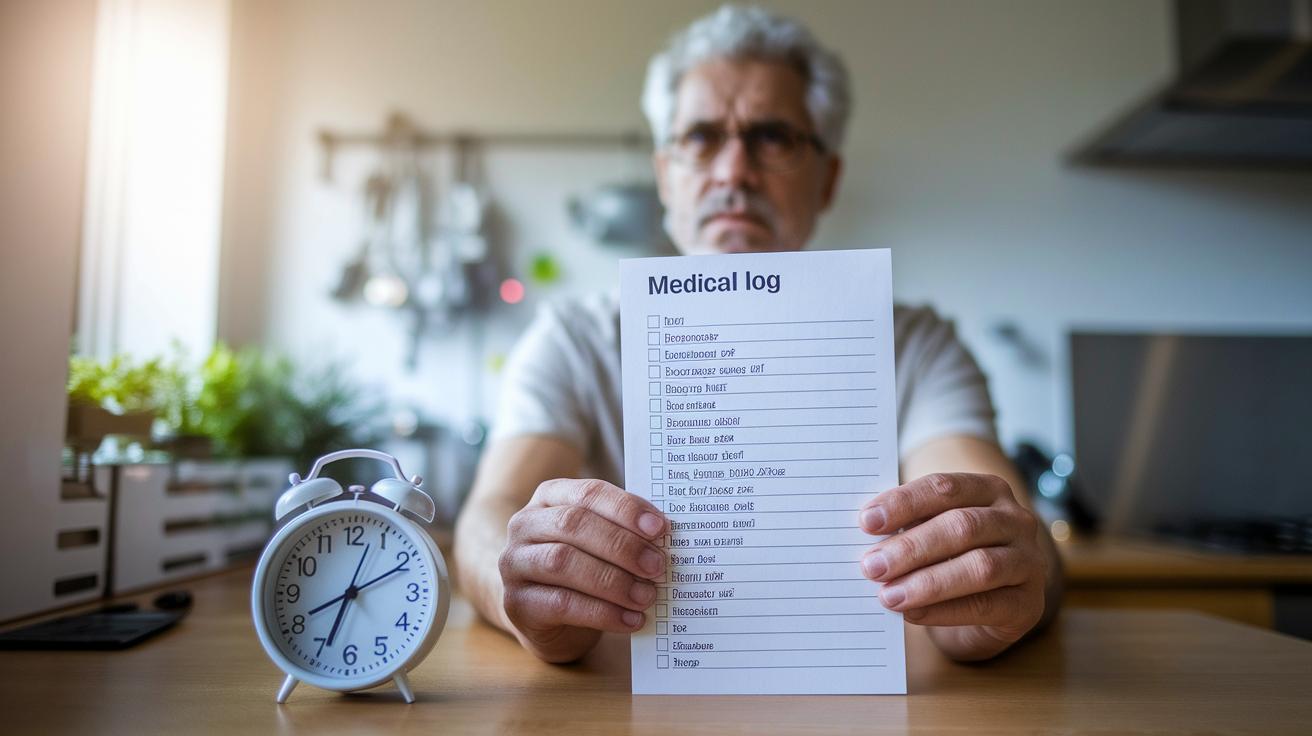
If your stomach issues suddenly get worse or you notice several warning signs at once, act now. Compare what you feel with the red flags below:
- Severe, unending belly pain lasting more than 10 minutes that comes with dizziness or confusion. This is a sign you need help.
- Not being able to pass gas or stool for several hours. If you also feel bloated or uncomfortable, take note.
- Ongoing vomiting that stops you from keeping fluids down, leaving your mouth dry and making you very thirsty.
- A high fever with a very tender belly, which may mean your body is fighting an infection.
Keep a simple log: note when symptoms start, what might trigger them, and any changes you see. If your condition gets worse quickly or these signs show up together, contact your local emergency service right away.
Clinician-reviewed | Last reviewed: October 2023
Final Words
In the action, we explored common gastrointestinal conditions and key symptoms. We broke down the gut structure and discussed signs from recurring belly discomfort to warning signals like persistent pain, changes in bowel habits, and severe reflux.
By understanding these symptoms, you have a clear guide to tracking your condition and knowing when to seek care. Stay alert and proactive, you can manage your health by knowing what to watch for and acting on clear, evidence-informed advice.
FAQ
What are the early signs of gastrointestinal disease and stomach problems in adults?
The early signs of gastrointestinal disease include persistent abdominal pain, frequent bloating, and changes in bowel habits. Adults may also experience heartburn and nausea as early warnings.
What are the gastrointestinal diseases and what are the five common diseases of the digestive system?
Listing gastrointestinal diseases, conditions like irritable bowel syndrome, acid reflux, Crohn’s disease, peptic ulcers, and celiac disease are common. These five represent key digestive system issues affecting many people.
What is the most common cause of gastrointestinal disease?
The most common cause of gastrointestinal disease comes from disturbances in digestion triggered by diet, stress, or minor infections, which can lead to imbalances in the digestive system.
What is the treatment for early signs of gastrointestinal disease?
The treatment for early gastrointestinal symptoms often involves simple steps such as dietary adjustments, stress management, and over-the-counter remedies. A prompt clinician visit helps customize the care needed.
What are some deadly stomach diseases?
Some deadly stomach diseases include advanced colon cancer, severe pancreatitis, and complications from inflammatory bowel conditions. These conditions require immediate care to prevent life-threatening complications.