

Quick Action
When you need help fast, knowing your care options can ease your stress. Here’s a clear guide to help you choose.
Red Flags
• Life-threatening signs like sudden chest pain or trouble breathing
• Severe, unrelenting symptoms that worry you
What You Need to Know
• Emergency Care: Use this option if you face a life-threatening issue. The emergency room is set up for conditions that need immediate, intensive care.
• Urgent Care: This is best for minor injuries or sudden illnesses that aren’t life-threatening. It’s a faster alternative than the ER when your issue isn’t severe.
• Primary Care: For routine check-ups, chronic conditions, or non-urgent issues, your regular doctor is the right choice.
What to Do Now
- If you see any red flags, call emergency services immediately.
- For minor but sudden symptoms, visit an urgent care center.
- For ongoing health or routine needs, book an appointment with your primary care provider.
Clinician-reviewed (Last reviewed: 10/2023)
Emergency Care vs Urgent Care vs Primary Care: A Clear Comparison
If you're not sure where to go for help, this guide makes it clear. It tells you when to choose emergency care, urgent care, or your regular doctor.
Emergency care is for sudden, life-threatening issues. It works 24 hours a day and has advanced equipment and specialists ready to act.
Urgent care is for problems that need fast treatment but are not life-threatening. Minor fractures, sprains, or infections can be handled there. These clinics allow walk-ins and often stay open in the evenings and on weekends.
Primary care is for your ongoing health. Your regular doctor manages routine check-ups, vaccinations, and chronic issues. This provider knows your history and can help keep you well over time.
Quick tips:
- If you have severe chest pain or signs of a stroke, go to the emergency room immediately.
- If you have a minor injury or illness that needs quick treatment, try urgent care.
- For regular check-ups, immunizations, or chronic care, see your primary care doctor.
| Care Type | Typical Conditions | Operating Hours | Staff & Technology | Cost Range |
|---|---|---|---|---|
| Emergency | Life-threatening crises | 24/7 | Trauma teams, advanced tools | Highest |
| Urgent | Minor injuries, infections | Extended hours, walk-in | General clinicians, basic diagnostics | Moderate |
| Primary | Routine care, chronic issues | Business hours | Familiar provider, coordinated care | Lowest |
Choose the care option that fits your needs. For sudden and severe issues, head to an emergency room. For quick, non-critical treatment, try urgent care. And for regular, long-term health, rely on your primary care doctor.
emergency care vs urgent care vs primary care!

When you need care fast, each option serves a specific purpose.
Emergency care is meant for life-threatening problems. These departments have advanced scans, lab tests, and trauma teams available 24/7. Use them when every second matters. Although the costs are higher, many feel reassured by the immediate help. For more details, visit Emergency Management Definitions (https://thequickesttips.com?p=1337).
Urgent care clinics handle issues that aren’t life-threatening. They promise quick attention and shorter waits. For instance, MD Now runs 110 clinics in Florida, offering tests, physical exams, and even virtual visits. Many choose urgent care to avoid long ER lines and steep bills.
Primary care focuses on your overall health. Regular check-ups, chronic condition management, and preventive care are its specialties. These offices offer lower-cost visits and help build a lasting doctor-patient relationship, ensuring someone who knows your history can spot early concerns.
When to Choose Emergency, Urgent, or Primary Care
Quick action:
If you see signs of life-threatening problems, act immediately.
Red flags:
- Intense chest pressure
- Severe bleeding
- Stroke symptoms (such as sudden numbness, confusion, or trouble speaking)
What to do now:
- If you notice any red flags, go to the emergency room right away. Use any available triage guidelines for fast assessment. (Quick Triage Flowchart)
- If you have a sprain, minor fracture, or infection that isn't life-threatening, visit an urgent care center for timely treatment.
- For routine check-ups, vaccinations, or managing long-term conditions, call your primary care provider. This is essential for keeping your health on track. (See Preventive Care)
Remember, your safety comes first. Trust your instincts and seek care when needed.
Cost and Insurance Variations in Emergency, Urgent, and Primary Care
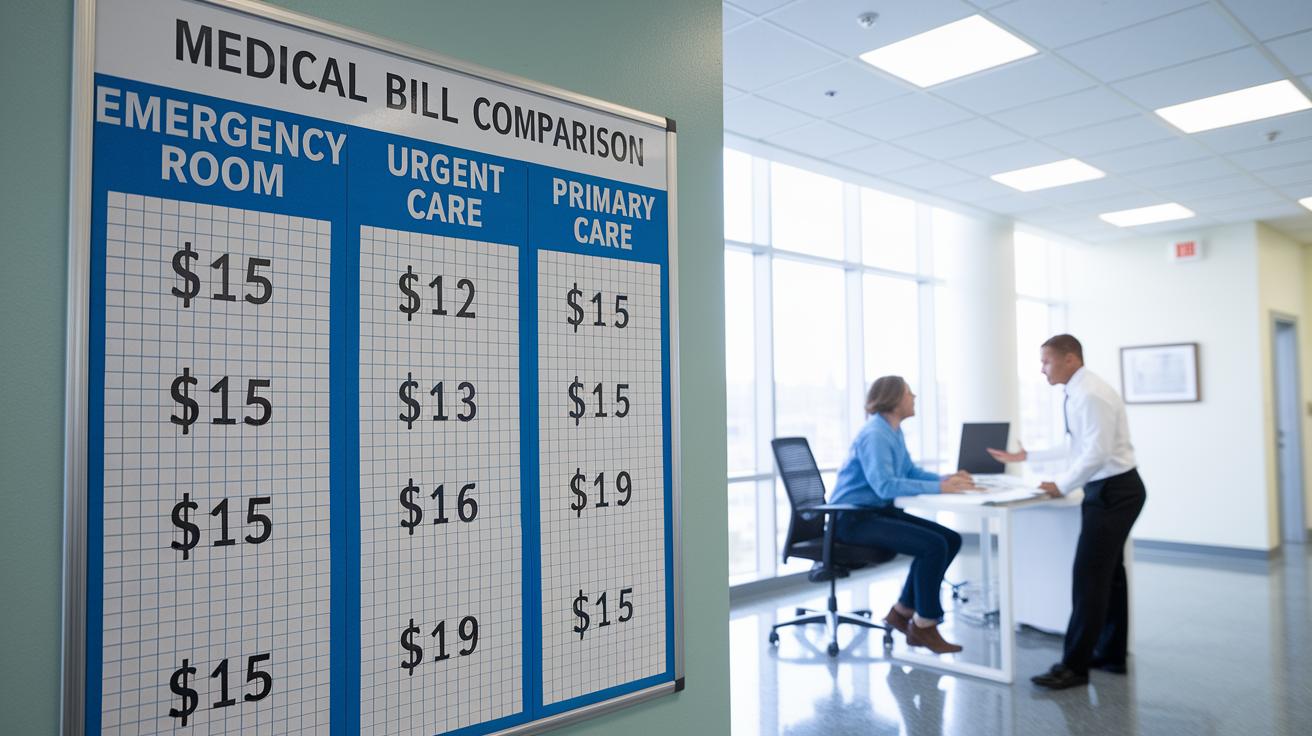
If you are paying via insurance, expect costs to differ based on where you go. Emergency rooms bill the highest rates. They use advanced tests and have specialized teams. This means bigger deductibles and higher co-payments.
Urgent care centers are generally more affordable. They charge copays around $50–$100. These centers treat issues that are not life-threatening. Their fees are more predictable as a result.
Primary care visits are usually the least expensive. You can expect copays of about $20–$40. This is because they focus on everyday health and long-term care.
If you are self-paying, prices vary too. Emergency departments can cost a lot without insurance. Urgent care centers often set clear, lower prices for self-pay. Primary care settings tend to offer affordable rates or membership plans, which can make preventive care less expensive.
| Type of Care | Avg. Cost Billed | Typical Ins. Copay | Self-Pay Price |
|---|---|---|---|
| Emergency | Highest billed amounts | High deductibles/co-insurance | Premium pricing |
| Urgent | Moderately high | $50–$100 | Lower self-pay tier |
| Primary | Lowest cost | $20–$40 | Affordable rates or membership |
Access and Availability in Emergency, Urgent, and Primary Care
If you're facing a serious health problem, the emergency room is available 24/7 with advanced technology and specialist teams. Even though you might wait 1 to 4 hours during busy times, if your symptoms are life-threatening, head there immediately.
Urgent care centers are open from 8 am to 8 pm and often during evenings or weekends. You can walk in and usually wait about 15 to 30 minutes. These centers are ideal for minor fractures, infections, or sprains, issues that need quick care but are not emergencies.
Primary care offices operate during regular business hours and need an appointment. Appointments are often scheduled days or even weeks in advance. They are best for routine check-ups, managing ongoing conditions, and preventive services instead of quick fixes.
Below is a quick guide to compare your options:
| Care Option | Hours | Average Wait |
|---|---|---|
| Emergency | 24/7 | 1 – 4 hours |
| Urgent | 8 am – 8 pm, evenings/weekends | 15 – 30 minutes |
| Primary | Business hours (appointment required) | Scheduled days or weeks ahead |
For example, if you need treatment fast, urgent care might cut your wait time to around 15 minutes, unlike the longer wait at an emergency department.
Common Conditions and Appropriate Settings for Emergency vs Urgent vs Primary Care

| Care Setting | Examples |
|---|---|
| Emergency Care |
|
| Urgent Care |
|
| Primary Care |
|
For more details and step-by-step guidance, see the earlier sections.
Coordinating Follow-Up and Referrals Post Emergency, Urgent, or Primary Care
No matter if you visited the emergency room, an urgent care center, or your primary care provider, it is important to have a clear plan for follow-up care. After an ER visit, you might get referrals to specialists, imaging tests, and specific instructions. At urgent care, you could be advised to book an appointment with your primary doctor to address ongoing issues. In primary care, your doctor keeps track of specialist referrals, insurance approvals, and chronic conditions over time.
Taking charge of your follow-up care ensures your records and test results are shared, appointments happen on time, and any extra steps are clear. This helps prevent delays and unexpected costs.
- Review your discharge instructions and any signs that need quick attention.
- Have your records transferred to your primary care provider or the right specialist.
- Book your follow-up or referral appointments promptly.
- Confirm your insurance details, including doctor authorizations and co-pays.
Final Words
In the action of choosing the right care, we covered key differences. We broke down the roles of emergency, urgent, and primary care, looking at what fits best based on timing, cost, and condition severity.
We explained how each setting works and when to move from one to the next. Remember, making decisions on emergency care vs urgent care vs primary care is about matching your needs quickly and accurately. Stay informed and take care.