

Quick Action
• Review your current medication plan with your doctor.
• Start simple lifestyle changes like eating balanced meals and getting regular exercise.
• Use digital health tools to track your progress.
A Fresh Take on Chronic Disease Management
New care methods are changing how you manage long-term conditions. Instead of sticking with the same routine, try fast adjustments to your medication along with basic lifestyle changes. This approach can make a big difference, studies show that millions experience fewer complications when they cut risks by improving their diet, exercising, and learning more about managing their condition.
Integrated care is turning a difficult journey into a manageable routine. Digital health tools help you keep track of your progress, so you always know what to do next. This shift in care offers hope and clear, practical steps to help you take charge of your health every day.
Clinician-reviewed • Last reviewed: October 2023
Comprehensive Approaches to Chronic Disease Care
Chronic diseases last over a year and often worsen with time. They can hurt your everyday life, lead to disability, or even cause death. Major illnesses like heart disease, diabetes (which affects 29 million people, with 8.5 million undiagnosed and costing $245 billion a year), high blood pressure (impacting about half of all adults), cancer, and stroke, as well as COPD (affecting over 15 million U.S. adults and the sixth leading cause of death), make up more than two-thirds of U.S. deaths.
Early detection and treatment can lower risks and complications. Your genes, exposure to pollutants, and habits like smoking, not moving enough, or eating poorly all add to these risks. Proven health plans and preventive programs can slow disease progression, reduce long-term medical costs, and boost quality of life.
Key strategies include:
- Medical treatment: Fast adjustments in care and medication to manage symptoms.
- Lifestyle changes: A balanced diet, regular exercise, and other healthy habits to target root causes.
- Patient education: Learning early signs of problems to act quickly.
- Technology-based monitoring: Using digital tools to track your health in real time.
By combining these steps, healthcare providers can better manage chronic conditions. An integrated plan that mixes medical care with everyday healthy choices is essential for tackling these challenges.
Clinician-reviewed. Last reviewed: October 2023.
Medication Management and Personalized Treatment for Chronic Conditions
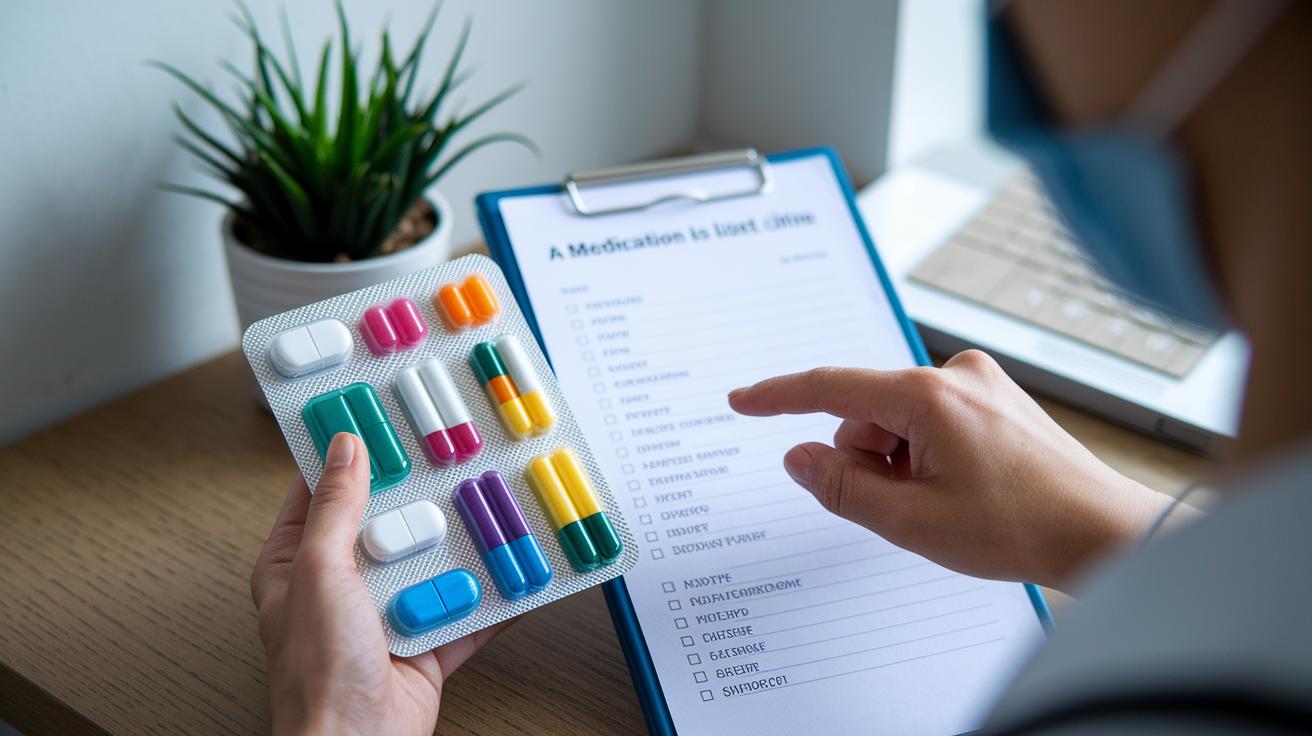
Quick action: A clear medication plan can stop problems before they start. Make sure you understand your schedule and know when to ask for help.
Red flags:
• New or worsening side effects
• Unclear dosage instructions
• Running out of your medications
What to do now:
Medication management is a key part of caring for chronic conditions. Your care team checks your medication list regularly to spot issues early. They give clear, simple directions and track any side effects. This approach has been seen to reduce 30-day readmission rates for heart failure by up to 83%.
Steps to follow:
- Review your medication list often to catch potential interactions.
- Follow clear dosage instructions written in plain language.
- Keep your refills coordinated so you never miss a dose.
- Monitor for side effects and tell your provider if anything new appears.
- Learn the purpose of each medication for proper use.
Working with your healthcare team on these steps makes managing chronic conditions more reliable and effective. You get a plan that fits your needs and helps reduce risks.
Clinician-reviewed. Last reviewed: October 2023.
Lifestyle Modification Strategies for Chronic Condition Control
Quick action: Small changes in your daily routine can help reduce complications from chronic conditions. Begin with easy steps that improve your diet and boost your activity.
Red flags:
- Sudden, new symptoms or worsening of your current condition.
- Feeling unusually weak or experiencing new pain.
What it feels like: You might feel overwhelmed by managing a chronic disease. Simple, steady changes can help you feel more in control and improve your overall well-being.
Likely causes:
- Poor diet choices.
- Inadequate physical activity.
- Ongoing tobacco use.
- Lack of community or counseling support.
What to do now:
- Set a regular, moderate activity plan. Aim for at least 150 minutes of exercise each week.
- Upgrade your meals step by step by including more fruits, vegetables, whole grains, and lean proteins.
- Consider behavior change counseling to keep you motivated.
- Connect with community support groups for shared tips and encouragement.
- If you smoke, work on a plan to quit tobacco.
When to see a clinician: If your symptoms get worse or you notice new issues that affect your daily life, contact your doctor as soon as possible.
What your clinician may ask or check:
- Review your daily diet, exercise, and sleep.
- Measure your weight, blood pressure, and blood sugar.
- Discuss how you are managing stress and any tobacco use.
Clinician-reviewed | Last reviewed: [insert date]
Patient Education Programs and Engagement in Chronic Disease Care

Patient education programs help you manage long-term illnesses. They provide easy-to-use tools like goal-setting worksheets, symptom diaries, and checklists to boost your knowledge and guide you. When you know what to expect and keep track of your progress, daily challenges become easier to handle.
Self-Management Training
This training shows you simple daily steps to lower the risk of complications. You learn to record your symptoms with a diary by noting the date, how strong the symptom is, and what might have caused it. A clear note like this can help catch trends and prompt quick talks with your care team.
Communication Strategies
Talking clearly with your provider makes a big difference. Your provider might ask you to repeat the instructions in your own words to make sure you understand. They may also use a method called motivational interviewing, where you share your goals and spot obstacles. This shared decision-making helps you choose treatments that fit your lifestyle.
When education and clear conversation work together, you become an active partner in your care. You gain the confidence to manage your chronic illness every day.
Telemedicine Solutions and Remote Monitoring for Chronic Conditions
Telemedicine is changing how you handle long-term health issues. With virtual care, you can easily connect with your healthcare team from home. This makes managing your condition simpler and helps reduce hospital stays.
Remote monitoring devices like blood pressure cuffs and glucometers feed real-time data to your clinicians. They can see your numbers as they change and adjust your treatment based on clear, proven trends.
Mobile apps let you track your daily health. They can include simple digital diaries where you log symptoms and behaviors. This helps you and your care team make better decisions about your treatment.
| Technology | Primary Benefit |
|---|---|
| RPM Devices (BP cuffs, glucometers) | Real-time data for quick treatment changes |
| Mobile App Tracking Solutions | Easy daily monitoring and symptom logging |
This tech-driven approach gives you a fast and clear way to manage your condition. It helps your clinicians spot early warning signs and act before problems worsen. By combining virtual care with remote monitoring, you stay informed, connected, and in control of your health.
Collaborative Care Coordination and Interdisciplinary Dynamics in Chronic Disease Care

This care model gives you a clear, step-by-step plan to manage long-term conditions. It brings together doctors, nurses, care managers, and other professionals to work as one team, even outside regular office visits.
Why is this important? More than 90% of U.S. healthcare spending goes toward chronic and mental health issues. A coordinated care approach cuts complications, lowers hospital readmissions, and even saves money. For example, monthly 20-minute sessions with a care manager address medical issues and practical needs like transportation and missed screenings. Some programs have shown hospital readmissions drop by up to 83%.
Key Steps to Success:
- Agree on a structured team plan where every member knows their role.
- Use clear communication so all team members share key updates quickly.
- Set up regular care manager sessions to review your progress and handle issues like transportation or screening needs.
- Continuously review and adapt care plans based on what you report and new health data.
When all team members work together, you receive a treatment plan that truly fits your needs. This collaborative approach boosts the effectiveness of care and makes the best use of health resources. Clinician-reviewed (last-reviewed October 2023).
Measuring Outcomes and Continuous Improvement in Chronic Condition Management
When you manage a chronic condition, tracking key outcomes is crucial. Regular measurement helps you and your healthcare team see what is working and what needs a change. By using outcome systems and data analysis, care teams watch important numbers that guide when to adjust treatments, spot risks early, and catch trends before they become problems.
Below are the main measures tracked:
| Measure | Description |
|---|---|
| 30-day readmission rates | Patients coming back to the hospital within 30 days |
| Symptom-score changes | Shifts in how severe your symptoms are |
| Medication-adherence percentages | The rate at which you follow your medication plan |
| Average hospital stay duration | How long you usually stay in the hospital |
| Patient-reported outcome measures | Your own report on your health progress |
Clinicians use these numbers to find patients at high risk and adjust treatment quickly. Data tools act like early-warning systems to flag issues before they worsen. Regular reviews and standard protocols keep the care process flexible and focused on what you need.
In short, clear measurement and constant quality checks make chronic care more proactive, giving you better chances for long-term health.
Final Words
In the action, this article showed how different strategies support care for long-term conditions. We covered medication management, lifestyle changes, patient education, and tech-enabled remote care. Each part works together to keep you on track.
These approaches help in the management of chronic diseases. With clear steps and regular outcome reviews, you can take charge and achieve better health. Positive changes begin with small actions that build toward lasting improvements.
FAQ
What is chronic disease management?
Chronic disease management is a coordinated approach that focuses on medical treatment, lifestyle changes, patient education, and remote monitoring to reduce symptoms and prevent complications.
How does chronic disease management work in primary care?
Chronic disease management in primary care involves early diagnosis, regular monitoring, medication adjustments, and patient education to keep conditions in check and improve daily wellbeing.
What are some examples of chronic disease management programs and resources?
Examples of programs include coordinated care plans with medication adherence support, lifestyle modification counseling, remote monitoring tools, and educational resources often available as PDFs and PPTs.
What is the medical management of chronic disease?
The medical management of chronic disease centers on tailored medication plans, routine therapeutic monitoring, dosage adjustments, and care coordination to control symptoms and minimize side effects.
What is the most common treatment for chronic diseases?
The most common treatment for chronic diseases combines medication management with lifestyle changes such as diet improvement, regular exercise, and patient education to support overall health.
What is the chronic disease management approach?
The chronic disease management approach uses a blend of clinical care, lifestyle modifications, patient engagement, and technology-driven monitoring to help manage symptoms and slow disease progression.
What is the first step in chronic disease management?
The first step in chronic disease management is early diagnosis and risk assessment, which helps form an individualized plan that guides treatment and lifestyle changes from the start.
How can I prevent chronic diseases effectively?
Effective prevention involves a mix of healthy eating, regular exercise, smoking cessation, and proactive screening, all combined with patient education to reduce the risk factors associated with chronic conditions.